我们有一个固有的认知缺陷。
作为一个物种,我们对即时变化反应迅速。例如,如果我们碰到热盘子,我们会立刻知道不能再碰了。
然而,如果这种变化在更长的时间内显现,我们就会无意识地适应并对其视而不见——例如,长时间暴露在烈日下,这可能在多年后导致癌症。
有点像那只在逐渐沸腾的水中悠然自得地游泳的青蛙。
伊万最 H 的预测
2017年,Equedia的创始人Ivan Lo预测了“The Great Reset”并详细阐述了导致这一系列事件的顺序。以下是他信件“ These Six Events Will Determine Our Future”中的快速摘要:
“…我想描绘我们当前的图景,以便您能一览无余。
它会这样展开(其中许多点相互重叠):
1. Inflate: 通过Quantitative Easing (QE)和低利率提供廉价资金,让人们感觉良好——增加货币供应。
2. Deflate: 通过Quantitative Tightening (QT)和提高利率收回廉价资金,带走这种良好感觉——减少货币供应。
3. Control: 通过转移人们对真实情况的注意力来压制民众。想想媒体控制;想想阿片类药物使用量的增加和大麻合法化;想想President Trump;想想亿万富翁资助的抗议活动。
4. Divide: 通过煽动骚乱和仇恨犯罪来分裂社会。
5. War: 通过战争言论,甚至战争本身,来掩盖国际金融和经济危机。
6. Reset: 全球经济重置将被归咎于战争;而不是强大精英的货币行动。”
六年前,上述许多内容可能听起来像阴谋论。今天,我们已经看到所有事件都发生了,其中第6项正在缓慢展开。
这可能会给人一种印象,认为The Great Reset将作为一个重大的历史事件发生。但实际上,它是一个精心伪装的、持续数十年的财富转移,会在你甚至没有意识到的情况下奴役你。
让我来解释一下。
通胀/通缩周期
在对The Great Reset的预测中,Ivan提到了Fed的货币周期。
许多人认为Fed的先通胀后通缩政策是一个零和游戏,每个周期都会自我重置,但事实并非如此。
看看这张Bank of America的图表,它显示了Fed过去100年的周期:
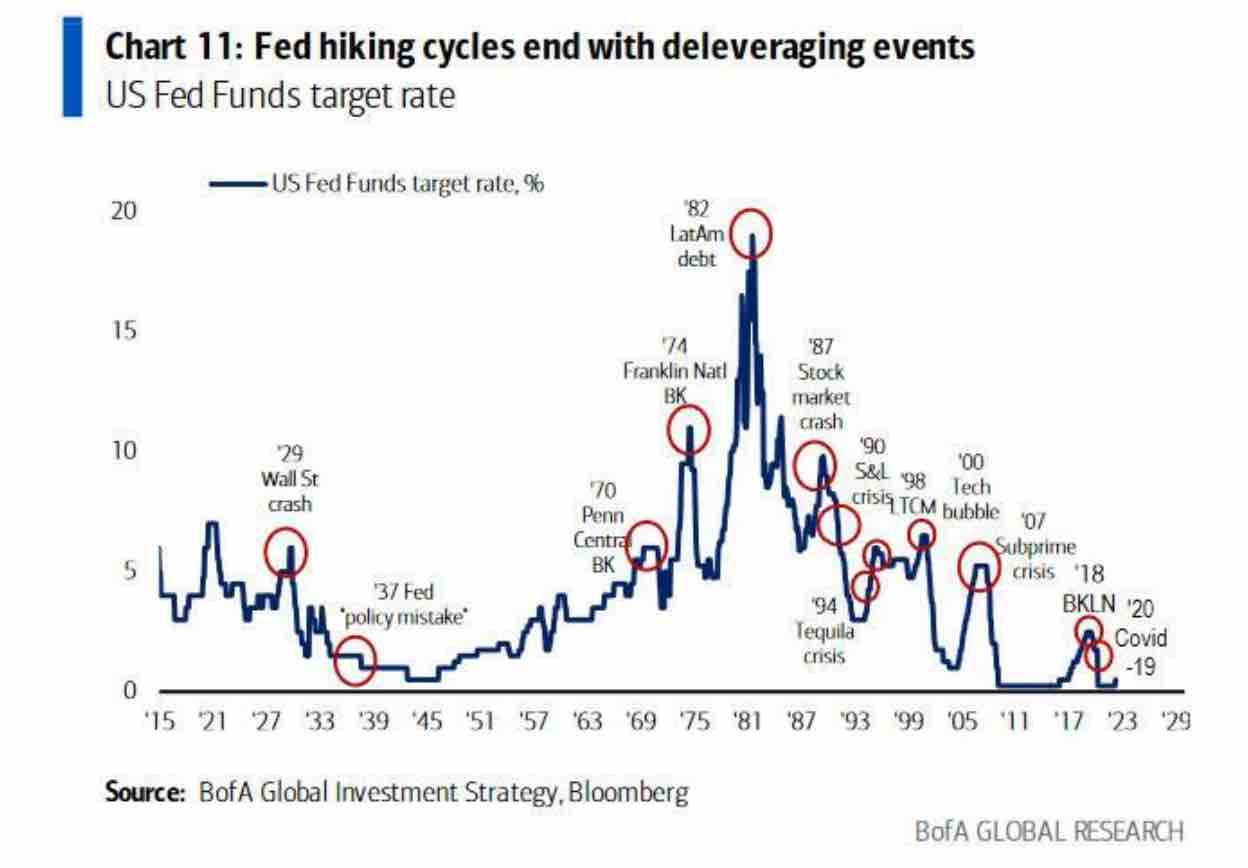
请注意Volcker在80年代紧缩政策后开始的模式——这是美元与黄金脱钩并成为法定货币后的第一个通缩周期。
每一个通缩周期都比前一个周期小。Fed在经济出现问题之前无法充分加息,不得不再次放松政策。
尽管政策制定者将其视为世纪之谜和最大的政策挑战之一,但你不需要Fed象牙塔里的一群博士来回答它。
事实上,有一个非常简单的解释:累积的债务。
每个通胀/通缩周期都将更多债务强加给经济。例如,看看US联邦债务的增长情况:
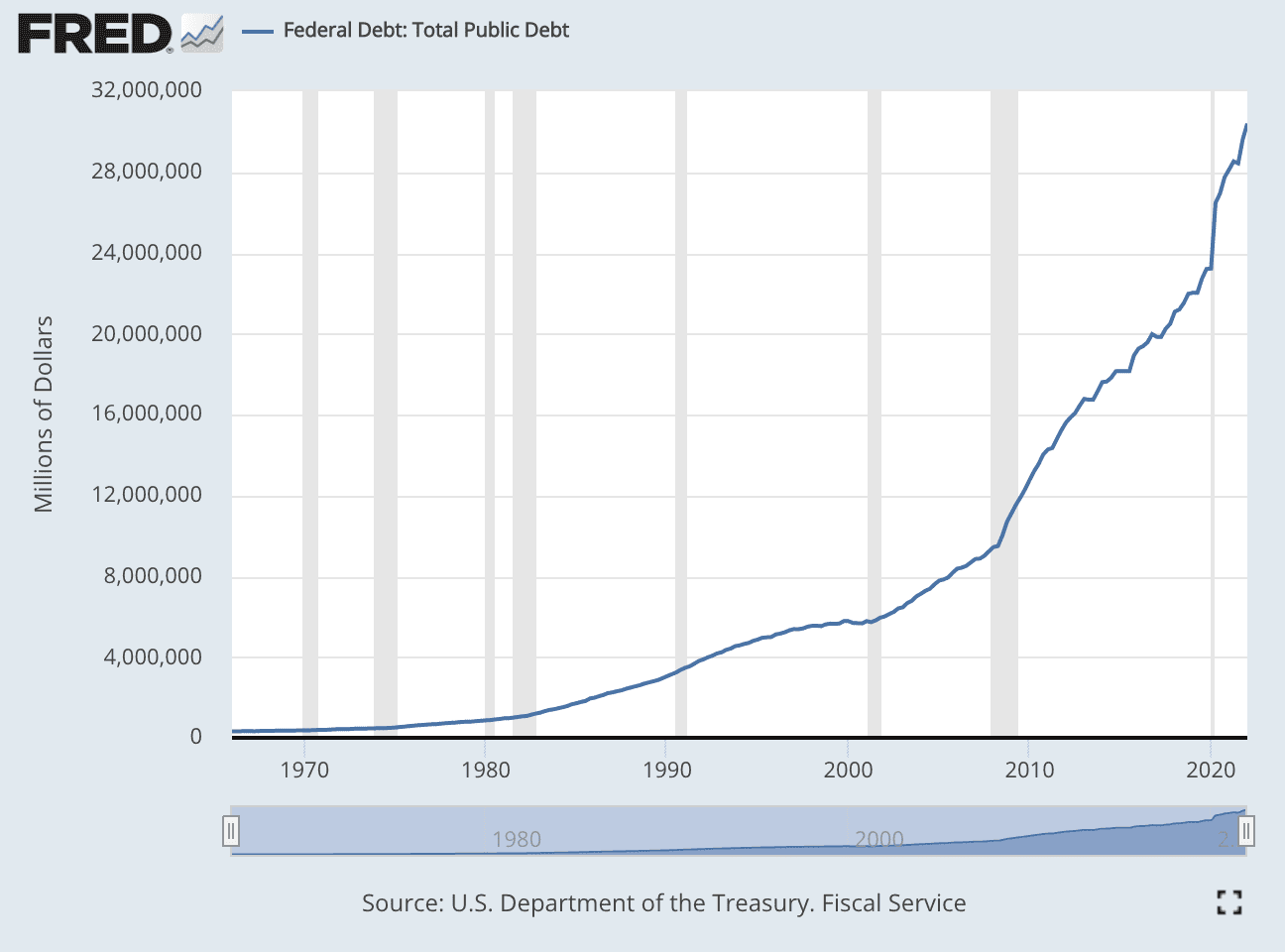
正如我几周前透露的,这笔账面债务只是冰山一角。摘自“The Great Debt Trap (Part 1)”:
“这张曲棍球棒形状的图表只是官方的账面联邦债务。它不包括其他大部分义务——例如Medicare和Social Security。
事实上,Treasury的February fiscal report数据显示,如果将福利和权利计划计算在内,联邦总债务超过 $100 trillion。那是100,000,000,000,000!”
私人债务也高得惊人:
“…Fed近乎免费的资金政策十年,导致美国人累积了创纪录的$15.6 trillion债务。尽管如此,信贷需求仍在持续增长。去年,消费者贷款的速度是2003年以来最快的。
Corporate America也没有落后。根据Fed的数据,2021年非金融企业债务达到创纪录的$11 trillion。但最令人担忧的是,最大的债务累积发生在那些“uncreditworthy”公司中。”
这不断增长的债务堆积是一个货币反馈循环。
更多债务使经济对资金成本更加敏感。结果,Fed放松了政策并贬值了货币,从而迫使更多债务进入经济。
恶性循环就这样持续着。
想想看。
US Fed Chair Jerome Powell仅仅将利率提高到1.5%以上,就使许多股票的价值减半!
你能想象当经济无法以过去100年一半的资金成本运作时,它的杠杆率有多高吗?
不断增长的债务和更低的利率
很明显,这种不断增长的债务和不断下降的资金成本的组合可能会给经济带来短暂的提振,但从长远来看是不可持续的。
在政策层面,更多债务意味着Fed加息的空间更小,因为经济对偿债成本的反应更敏感。反过来,Fed继续购买资产,压低利率——即使在经济强劲时也是如此。
过去十年一直如此。
为了让Fed将利率人为地保持在低位,它必须作为quantitative easing (QE)的一部分从Treasury购买债券。
事实上,Fed购买了如此多的Treasuries,以至于它成为America第二大债权人——仅次于America本身。

Congress,当然,可以用这笔钱来遏制赤字支出并偿还联邦债务。然而,它却用这笔钱来资助其偏袒精英的议程,同时让国家陷入更多债务。
在经济层面,Fed的宽松政策也迫使个人和企业负债——无论他们是否愿意。我在我的信件“ The Great Debt Trap (Part 1)”中写到了这种令人惊讶地鲜为人知的现象:
“假设你在一条繁忙的街道上经营一家小咖啡馆,街上有dozen cafes都在争夺你的customers。然后有一天,Fed大幅降息,你的barista competitors抓住机会获得了cheap business loans。
他们用这笔钱来spruce up storefronts,购买fancy Italian coffee machines,或者refurnish their venues to create a more inviting atmosphere——所有这些都是为了lure in more customers。包括你的customers。
你如何保持竞争力?
你和他们做同样的事情:borrow。
即使你没有debt也能过得很好,但现在你的competition正在leveraging cheap money,你也必须这样做——否则你就会fall behind。这是一场债务的“rat race”。
对普通人来说也是如此。
During Covid,美国人争相在fierce bidding wars中购买homes。这不仅仅是因为cheaper mortgages – 许多人wanted to lock in the deal before cheap money jacked up housing prices even more。
你能责怪他们因为害怕被priced out of homeownership— like tens of millions of Americans who already have?
In other words, cheap money is forced conformity to debt。”
那么当国家集体拥有更多债务时会发生什么?Costs rise and it becomes less productive。
Look at how America’s real GDP growth had been persistently slumping from 1980 until Covid (Covid skews the picture because trillions of dollars were shoved into the economy over a short time):

损失社会化,利润私有化
所以我们有一个不断恶化的经济,keeps piling on debt,and we’ve been trimming the cost of money to postpone paying the piper。
将这种feedback loop作为status quo,这符合谁的利益呢?Aren’t the elite sabotaging themselves by destroying the very “soil” that feeds them? Unfortunately not。
你听说过“privatizing gains, socializing losses”的说法吗?它指的是一种policy that treats company profits as the sole property of shareholders and its losses as a national responsibility。
让我给你举个例子。
在过去十年中,America’s 500 biggest companies plowed $22.5 trillion of their earnings into buybacks。Instead of expanding business or just saving up for a rainy day, they spent that money to artificially prop up their stocks。
In fact, corporate America snapped up so many of their own shares that they even out-invested Wall Street。As I wrote in “ The Biggest Dealer in the World”:
“看看吧:
- From 2018 through 2019, companies in the S&P 500 spent more money on buybacks than on CAPEX ( 来源)
- Worse, more than half of these buybacks were financed by debt ( 来源)
- During 2018 (when economic confidence was at the peak and buybacks hit a record), real wages in the US dropped 1.4% ( 来源)
- And for most of the 2010s, corporate America gobbled up more stock than institutional, retail, and foreign investors combined!”
想想看。
The Fed made money so cheap and the economy so indebted and weak that corporations saw no point in investing back in business。The economy wasn’t growing fast enough to justify the expansion。
The rich aren’t too concerned about it。
Buybacks handsomely reward the biggest shareholders and top executives who earn most of their fortunes through capital gains – which is precisely why Ivan said, despite all the doom and gloom after 2008, to stay invested in the stock market。
But what happens when things hit the fan, and these buyback-infused companies stumble? The Fed steps in and bails them out by lending them billions of printed dollars。
A good example is Covid and airlines。
“The United States’ five largest airlines – which are pushing for a $50bn-plus bailout to help them survive the Covid-19 crisis – have handed out more than $45bn to shareholders and executives over the last five years, research by the Guardian has found。
Delta, American Airlines, United, Southwest, and Alaska have spent $44.9bn on share repurchases and dividends in the last five years, according to Guardian research。In addition, nearly $750m has been paid out to executives over the same time period。
According to separate data compiled by Bloomberg, these five airlines have spent 96% of their free cashflow on buying back their own shares over the last decade。”
No wonder buybacks keep breaking records quarter after quarter despite recession fears:
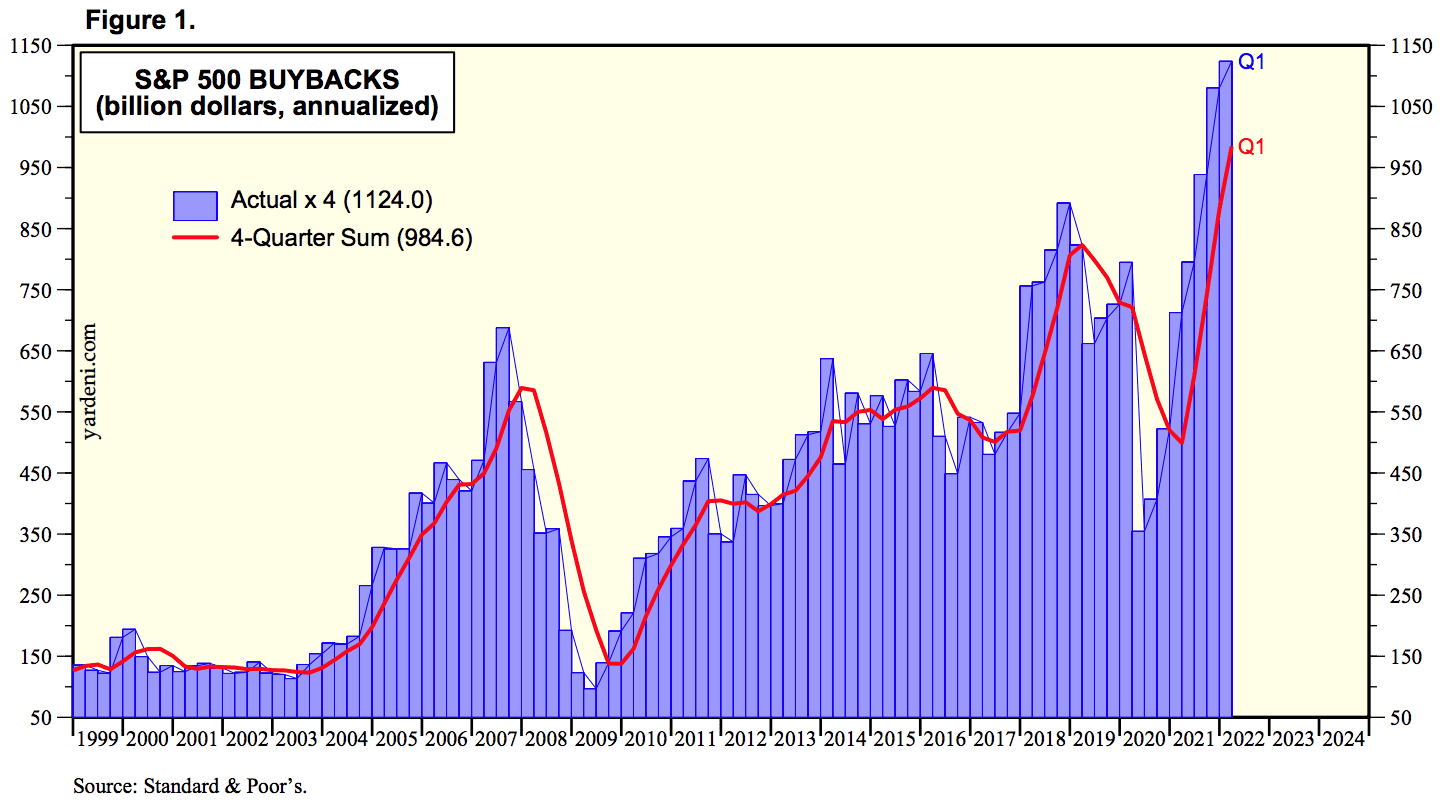
来源: Yardeni
Why bail out companies that budget their money for capital distribution schemes?
No wonder the elite aren’t pushing for policy change。
Why would they care about long-term consequences that will be “socialized” when they can exclusively “privatize” short-term gains?
I can give you many more examples。But the most irrefutable proof is in inequality, which is growing in line with the Fed’s increasingly loose policy。
看看这张图表:

来源: The New York Times
Not only did the bottom 50% see no real net worth grow or any increase in their real income, but most of them have been priced out of homeownership。
Worse, they’ll now have to collectively fund this ever-growing pile of debt with their quickly depreciating money。
循序渐进,然后突然爆发
This is the Great Reset unfolding before our very eyes。
It’s a systematic wealth transfer that’s quietly sucking the money from the bottom classes through debt and faux capital distribution schemes—like the ones I just showed。
And it’s damn effective because GDP growth won’t bring people to the streets。
The “boiling point” is somewhere over the horizon, but I don’t believe we’re there yet。The Elite has many more creative ways to impose more debt on the nation while “privatizing” the short-lived gains that come with it。
- There’s Modern Monetary Theory (MMT) that tries to legitimize unlimited deficit spending。
- There’s the Fed Secondary Market Corporate Credit Facility (SMCCF) introduced during Covid that the Fed can use to gobble up assets directly from corporate America at its discretion。Who knows, maybe next time they’ll buy stocks like Japan。
- Then there’s the upcoming digital dollar, which can open up a new array of economic positives。In the last letter, I discussed a “neo-fiscal policy” that could inject the Fed’s printed dollars directly into select industries or companies and Ivan’s prediction that we could have “expiring money。”
总结这封信的最佳方式莫过于Ernest Hemingway小说《The Sun Also Rises》中的这两句话:
“How did you go bankrupt?”
“Two ways。Gradually, then suddenly。”
寻求真相,
Carlisle Kane