Les brevets d'Exro pourraient-ils être le tueur de Tesla ou la prochaine grande avancée dans les véhicules électriques ?
Exro pourrait-il posséder le brevet de ce qui pourrait devenir l'une des plus grandes avancées dans l'industrie automobile ? Continuez à lire pour en savoir plus sur cette nouvelle technologie de moteur
par Equedia26 minute read
Alors que beaucoup disent que 2020 n'a été rien de moins qu'un véritable désastre, le monde continue de tourner.
Certes, la civilisation pourrait être confrontée à la pire crise économique depuis des générations, une pandémie mondiale et les États-Unis au bord d'une guerre civile.
Mais l'histoire montre que nous avons tendance à rebondir de manière spectaculaire après avoir survécu à un désastre.
Bien que les prévisions de base de la Banque mondiale envisagent une contraction de 5,2 pour cent du PIB mondial cette année, il est dans notre nature humaine de continuer à aller de l'avant.
En fait, la Banque du Canada vient d'estimer que l'économie nationale se contractera de 8,2 pour cent cette année, mais qu'elle retournera ensuite à la croissance avec une hausse de 6,7 pour cent en 2021 et de 4,8 pour cent en 2022. (Bien sûr, tout cela dépend de l'absence de nouveaux confinements.)
Bien que sur un calendrier plus court, ce type d'effort de relance spectaculaire refléterait l'expansion économique de l'après-Seconde Guerre mondiale, qui a inauguré une nouvelle ère de productivité, d'innovation et de richesse.
Oui, nous pourrions toujours être en route pour un cours de collision avec l'histoire en ce moment même, et aucun expert, universitaire ou économiste ne sait exactement comment tout cela va se dérouler.
Mais nous allons surmonter cela.
Et tout au long du siècle dernier, le moteur de la reprise et du succès a été propulsé par une chose en particulier : l'électricité.
L'électricité a été la pierre angulaire de la vie moderne au cours des 100 dernières années à travers chaque cycle de prospérité et de récession.
Il ne fait aucun doute que le monde moderne fonctionne à l'électricité.
Et bien que le secteur de l'énergie ait connu quelques révolutions – depuis l'avènement du charbon, du pétrole et du nucléaire – il est en substance resté le même.
Bien sûr, des personnes comme Elon Musk tentent de changer la donne, mais le pétrole, le gaz et le charbon représentaient encore 85 pour cent de la consommation mondiale en 2018, selon un rapport récent de . Quant aux énergies renouvelables ? Elles ne comptaient que pour un maigre 4 pour cent.
Mais pourquoi est-ce ainsi ?
Well, you’ll soon understand for a number of reasons…
La vérité est que le monde d'aujourd'hui a plus que jamais soif d'innovation dans le secteur de l'énergie propre.
Et la petite entreprise que nous sommes sur le point de mettre en avant ne travaille pas seulement sur l'énergie du futur…
It’s bringing the energy of the future to the present.
Pourtant... ce n'est même pas une entreprise d'énergie.
Comment ça ?
Eh bien, pour comprendre d'abord la véritable opportunité que cette entreprise apporte, vous aurez besoin d'un peu de contexte sur l'énergie dans son ensemble.
Alors…
Qu'est-ce que l'énergie exactement ?
On dirait une question assez simple.
Mais vous seriez surpris de voir combien peu de personnes, y compris les investisseurs, peuvent formuler une bonne réponse.
Ce bref résumé servira de guide sur what l'énergie et why des choses comme le pétrole, l'éthanol et le gaz naturel sont appelées des matières premières énergétiques.
L'énergie est simplement la capacité de la matière ou du rayonnement à effectuer un travail.
Think of energy simply as coal’s capacity to be burned, food’s capacity to be digested, or fire’s capacity to create heat.
Lorsque le bois, le kérosène ou l'essence sont brûlés, l'énergie chimique est libérée sous forme de chaleur et de force cinétique.
Ainsi, vous pouvez considérer les sources d'énergie traditionnelles telles que le pétrole, le gaz naturel et le charbon comme des conteneurs d'énergie.
Gardez cela à l'esprit, car la partie suivante est celle avec laquelle les gens ont souvent du mal.
L'électricité est aussi un conteneur d'énergie.
C'est exact. L'électricité n'est pas de l'énergie.
C'est le flux d'une charge électrique. Le mouvement des électrons d'un point “a” à un point “b”.
L'électricité est une substance qui contient de l'énergie – tout comme le pétrole.
Nous rendrons l'électricité si bon marché que seuls les riches brûleront des bougies.
— Thomas Edison (paraphrasé)
Les entreprises de services publics utilisent l'électricité comme un moyen rapide et efficace de transporter l'énergie jusqu'aux consommateurs.
Ils prennent des conteneurs d'énergie désordonnés qui existent dans la nature, comme le charbon ou le pétrole, et extraient cette énergie pour la convertir en électricité.
Ils utilisent ensuite de l'électricité pour fournir une énergie propre et sans souci aux consommateurs.
Comment se déroule le processus de conversion ?
La loi de la conservation de l'énergie stipule « que l'énergie totale d'un système isolé dans chaque référentiel reste constante — on dit qu'elle est conservée au fil du temps. »
En termes simples, la Loi de la Conservation signifie que l'énergie ne peut être créée ni détruite, seulement transformée.
Cela signifie que les entreprises de services publics sont dans le domaine de la converting et du transporting de l'énergie.
Le processus de conversion comporte plusieurs étapes, qui varient en fonction de la source de carburant et du type de générateur.
Mais généralement, cela se passe comme ceci :
Vous commencez avec des matériaux qui contiennent de l'énergie chimique, comme le pétrole, le charbon et le gaz naturel.
Vous convertissez ensuite cette énergie chimique en énergie thermique en la brûlant.
Vous capturez autant d'énergie que possible — mais une partie always toujours au cours de ce processus.
Et ensuite, vous convertissez cette chaleur en énergie cinétique, qui est l'énergie du mouvement ; l'énergie des poussées et des tractions.
Vous réalisez normalement cela en faisant bouillir de grands bacs d'eau et en utilisant la vapeur résultante pour actionner d'énormes turbines.
Vous essayez de mettre toute l'énergie au travail, mais encore plus d'énergie s'échappe à cette étape.
Finalement, vous transformez cette énergie cinétique en charge électrique.
La conversion de l'énergie cinétique en charge électrique est réalisée par un processus appelé induction électromagnétique.
Tout ce dont vous avez besoin est un bon conducteur, comme des fils de cuivre enroulés, et de puissants aimants.
L'électricité est produite lorsqu'un aimant est déplacé rapidement à côté d'un conducteur immobile. Ou lorsqu'un conducteur est déplacé rapidement à côté d'un aimant immobile.
C’est tout ce qu’est un générateur, même les plus grands : un appareil qui fait tourner rapidement son conducteur autour d’un aimant ou l’inverse.
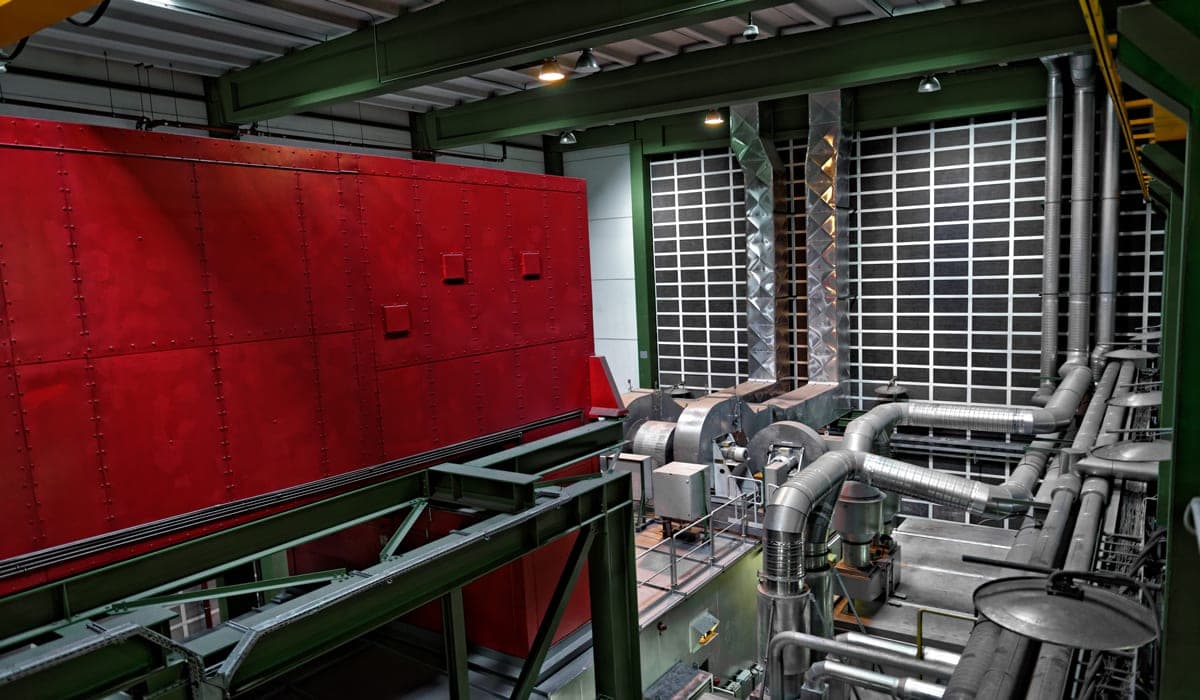
Une fois de plus, vous ferez de votre mieux pour utiliser toute l'énergie cinétique dans cette dernière étape, mais en raison de forces telles que le frottement, plus d'énergie s'échappe.
Retenez ces trois faits :
- L'énergie est la capacité d'un matériau à effectuer un travail, et elle se trouve à l'intérieur de sources d'énergie telles que le charbon, le pétrole et le gaz naturel.
- Les entreprises de services publics extraient cette énergie de ces substances désordonnées et la distribuent sous forme d'électricité.
- Beaucoup d'énergie est perdue lors de ce processus de conversion.
Alors, voici une explication simple de l'énergie.
Il ne reste que deux pièces du puzzle à trouver avant de pouvoir passer à la partie excitante…
L'énergie du passé
Les humains maîtrisent l'électricité depuis un certain temps maintenant…
186 ans pour être précis. Presque deux siècles.
Heureusement, il n'y a pas eu trop de changements au fil des années, donc cela sera rapide.
Voici une brève chronologie des événements most important de la production d'électricité dans les années précédant l'ère numérique :
- 1831 Michael Faraday découvre les principes de fonctionnement des générateurs électromagnétiques. Le premier pas vers l'ère de l'électricité.
- 1879 Thomas Edison brevette l'ampoule électrique. Le premier appareil destiné aux consommateurs qui utilise de l'électricité.
- 1882 Thomas Edison inaugure la première centrale électrique centrale — alimentée au charbon, évidemment.
- 1901 L'industrie pétrolière change à jamais avec la découverte du gigantesque champ pétrolifère de Spindletop au Texas. Les prix du pétrole s'effondrent.
- Années 1930 La plupart des maisons aux États-Unis, au Canada et au Royaume-Uni sont « sur le réseau ». La seule exception concerne les zones très rurales.
- 1950 Le pétrole n'est plus principalement utilisé pour la production d'électricité en raison de l'avènement de l'automobile. La production de masse de voitures a rendu les carburants à base de pétrole la source de carburant la plus populaire sur terre.
- 1951 Le premier réacteur nucléaire produisant de l'électricité est construit dans l'Idaho. Il ne peut alimenter que quatre ampoules au total.
- Années 1950 Le gaz naturel devient un carburant majeur aux États-Unis en raison de la construction de pipelines de gaz naturel.
- 1957 La première centrale nucléaire commerciale est mise en service. Peut alimenter plus de quatre ampoules.
La chronologie ci-dessus énumère les plus grandes réalisations dans la production d'énergie mondiale avant l'avènement des ordinateurs. Prenez note des sources de carburant mentionnées : charbon, pétrole, gaz naturel et nucléaire.
Jetez maintenant un coup d'œil à la figure ci-dessous.
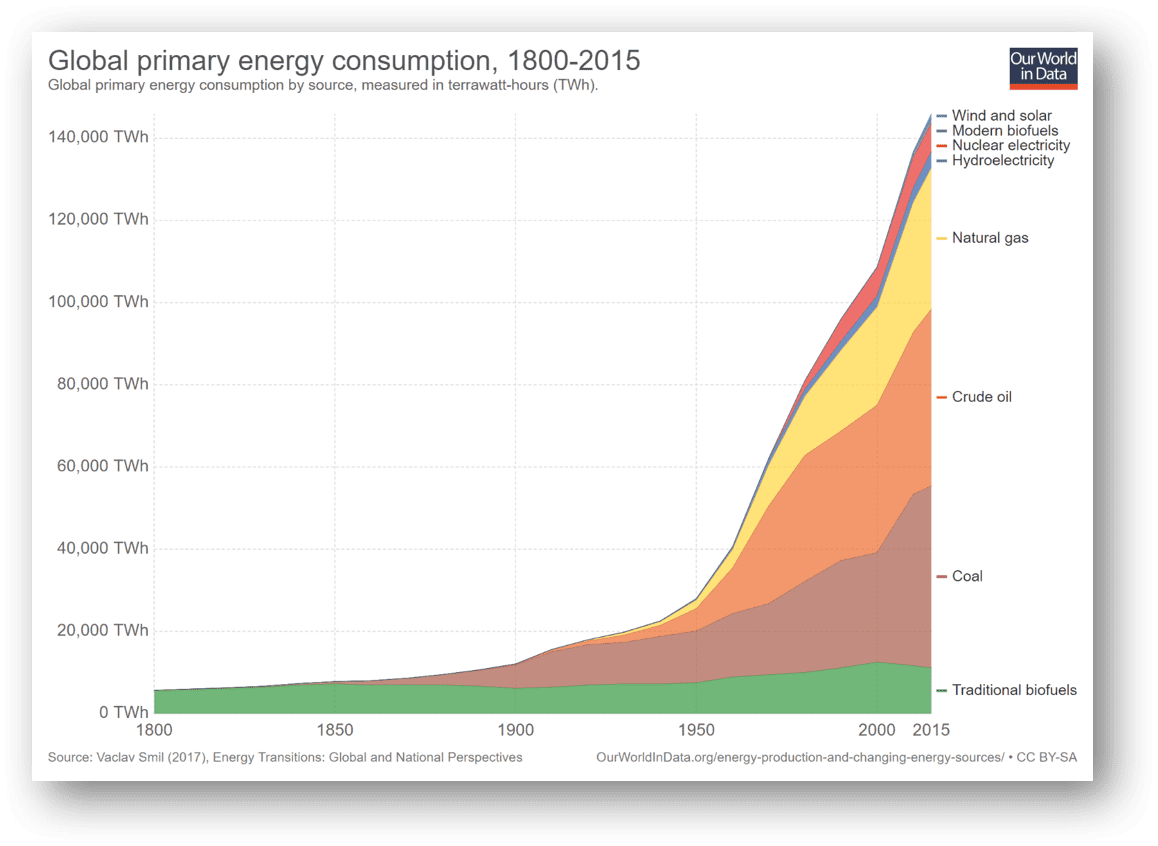
Vous remarquerez, comme l'indique également la chronologie historique, que les principaux acteurs de la production d'énergie sont restés les mêmes pendant des décennies.
Conformément au rapport énergétique 2018 de B.P., le charbon, le pétrole et le gaz naturel, avec une touche de nucléaire, représentaient environ 89 pour cent de la consommation énergétique mondiale en 2015. Les biocarburants, tels que le bois, l'éthanol, le charbon de bois et le biodiesel, constituaient environ 7,5 pour cent de la consommation mondiale
Cela a laissé aux énergies renouvelables, telles que le solaire, l'éolien et l'hydroélectricité, moins de 4 pour cent du marché.
La part insignifiante des énergies renouvelables sur le marché soulève la question : pourquoi est-elle si petite ?
Le graphique ci-dessus donne l'impression que les énergies renouvelables—leurs technologies et leur existence—étaient simplement des arrivées tardives sur la scène énergétique. Le graphique semble indiquer que les technologies qui nous permettent de capter l'énergie éolienne, thermique, solaire et hydraulique, sont nées dans un monde déjà dominé par les combustibles fossiles…
Mais c'est manifestement faux.
Quand pensez-vous que des méthodes alternatives de capture d'énergie telles que le solaire, l'éolien et la géothermie ont été inventées ?
La fin des années 60 ?
Le début des années 70 ?
Even more recently?
Most people guess the ’70s for solar and a little further back for wind and geothermal. Maybe the ’60s or ’50s…
But the actual dates for the major events for renewables might surprise you:
- 1831 Michael Faraday discovers the operating principles of electromagnetic generators. The first step to the age of electricity. This event was crucial for both fossil fuels and renewables. 1876 William Grylls Adams discovers that one can generate electricity directly from the sun by exposing selenium to the light. Three years before Thomas Edison patented the lightbulb.
- 1882 First commercial-scale hydroelectric plant begins operating in Appleton, Wisconsin. Twenty-six days before Thomas Edison’s coal-powered plant in New York.
- 1888 First electricity-generating Windmill built in Cleveland Ohio. Thirteen years before the oil boom in Texas created an unprecedented supply.
- 1921 First geothermal power plant is developed just outside of San Francisco. Thirty years before the first nuclear power plant is built.
- 1927 First commercial wind turbines sold. Decades before the power grid would reach remote farms unable to afford gasoline for generators.
- 1953 First practical solar cell developed at Bell laboratories. Just in time for the exponential increase in energy demand of the ’50s and ’60s.
Compare the renewable energy timeline to the fossil fuels timeline.
You’ll notice that the dates are similar, almost identical at points.
Alternative energies technology has been advancing at a rate on pace with fossil fuel technologies—for more than a century.
And yet…
3.5 per cent as of 2015, and only 4 per cent in 2018.
If the technology has existed for years…
And the energy sources themselves, sunlight, wind, and water have always been available in unlimited abundance…
Why have renewables only amounted to such a small percentage of the global power supply?
To answer that question, you must consider the final piece in our puzzle…
The Energy of the Future
We can be almost certain the “Energy of the Future” is going to be renewable.
It won’t be coal, oil, or natural gas.
That’s because of two reasons:
1. Fossil fuel resources are finite and will run eventually run out in 100—200 years. They will not last forever. Additionally, fossil fuel resources will become less economic long before they disappear entirely. As deposits near the earth’s surface are depleted—regardless of how much is left deeper down—the excavation process will grow more expensive. This will drive energy costs skyward.
2. Additionally, the race for renewable energy involves more than just making sure humanity has a fallback for when the fossil fuel well runs dry. Most experts agree that burning fossil fuels harms the earth and its inhabitants. It’s difficult to argue with the toxic evidence in China.

And despite the fact that natural gas burns 50 per cent cleaner than coal, it still adds deadly air pollution to our atmosphere.
Health Canada estimates that 14,600 premature deaths per year can be attributed to air pollution even in a country as vast as Canada with strict environmental regulations.
So… If renewables are the Energy of the Future, which renewable sources will be the most critical in our future?
And when will renewables begin to dominate the energies market?
The first answer is all of them.
Iván Martén has been the global leader of Boston Consulting Group’s energy practice since 2008, and has been ranked among the “Top 25 most influential consultants.” He advises executives and lawmakers at Fortune 500 companies and governing bodies and has served as an energy leader for Europe, Middle East, and Africa.
Martén also is a regular contributor to The Wall Street Journal. When asked about which renewable sources will take the spotlight in the future, he said this:
“Looking at the global picture, therefore, I do not believe there will be one winning renewable technology. Rather, there will be a healthy mix that depends on specific regional factors. We expect that by 2020 there will be at least one major competitive renewable energy source in most countries. The exact future mix will vary by region, depending on the availability of both renewable resources and grid infrastructure and on their contribution to the local economy.”
Essentially, Martén was saying:
Windy places will probably rely on wind power, while sunny places might prefer solar.
It’s common sense really. Renewable energies take advantage of regional topography and climate. Therefore, different places have different renewable resources to utilize.
So, that simplifies which renewables will rule the energy market in the future.
It brings us to the next question when?
When will they take over the market?
To find an answer, look at the energy chart again, specifically, zero in on crude oil.
Glancing at this chart, it’s hard to tell that oil was first widely used in the 1830s, mostly as fuel for lanterns.
But oil wasn’t used in trains and didn’t generate mass demand at that stage because it couldn’t compete with coal.
Coal was cheaper, easier to mine, and already had entire industries built around it.
There was no competition.
Until… 1901.
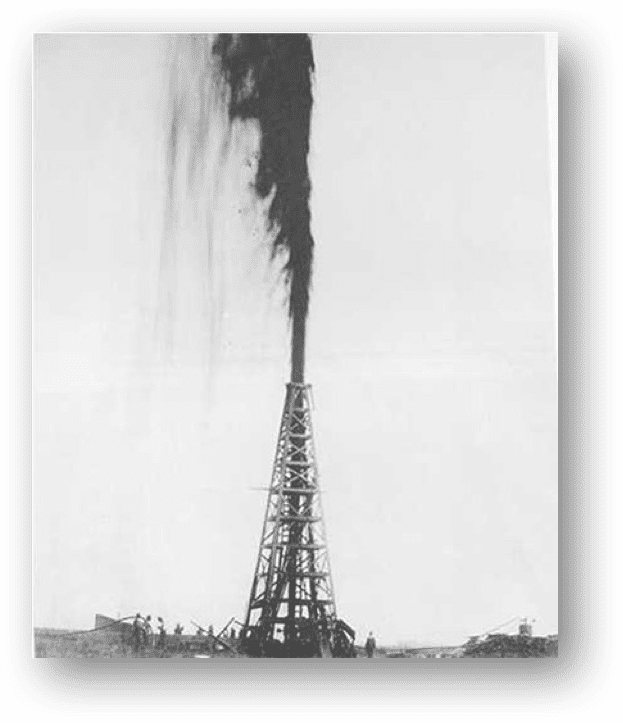
In 1901, Texans discovered the Spindletop oil field when the Lucas Gusher erupted.
This surge of crude oil in American markets caused oil prices to collapse by 90 per cent.
Then seven years later, an entrepreneur named Henry Ford came along and launched the automobile industry, helping oil become a multi-billion-dollar industry over the next four decades.
So, how does the history of oil relate to renewables?
Well, the rapid rise of the oil industry illustrates an important principle in the energy market.
When an energy source becomes cost-effective—its market cracks open.
And it does so blindingly fast.
It helped John D. Rockefeller become the wealthiest American of all time with a net worth equal to 2% of the U.S. GDP by 1913.
But when can investors expect renewables to experience their exponential growth surge?
Well, there are signs it’s already underway today.
A recent report from Deloitte reveals that renewable energy outpaced coal in the U.S. for the first time ever last year.
That’s because wind (18 per cent), solar (10 per cent), and lithium-ion battery storage (24 per cent) all saw double-digit drops in production costs.
In fact, falling costs are the main reason why BloombergNEF projects that wind and solar will make up 48 per cent of the global energy market by 2050. Meanwhile, at that time, oil is virtually eliminated.
And with electricity demand set to increase 62 per cent over the next 30 years, wind power will attract US$5.3 trillion in investment and solar US$4.2 trillion, their research shows.
Now before we highlight the Company that is Bringing the Energy of the Future to the Present let’s remember a couple of things.
Remember that utility companies are in the business of converting and transporting energy.
Cost-effectiveness for converting all types of energy come down to two main factors:
1. Supply– The higher the supply, the cheaper the energy becomes. This can be clearly seen in the lifespans of the oil, coal, and natural gas industries.
2. Technology– The less expensive and more effective the technologies for collecting a particular energy source become, the less expensive that energy source will also become.
The cost-effectiveness of fossil fuels depends more on supply then technology—which has been demonstrated the most with oil.
Meanwhile, the cost-effectiveness of renewables—such as solar and wind—are primarily impacted by technology advancement—rather than supply—since the supply of renewables can be thought of as constant and limitless.
As technologies advance and the cost of microchips and building materials decline, the cost per unit of energy production drops.
The chart below illustrates how much the cost of producing a watt of energy via solar has gone down in the last 40 years.
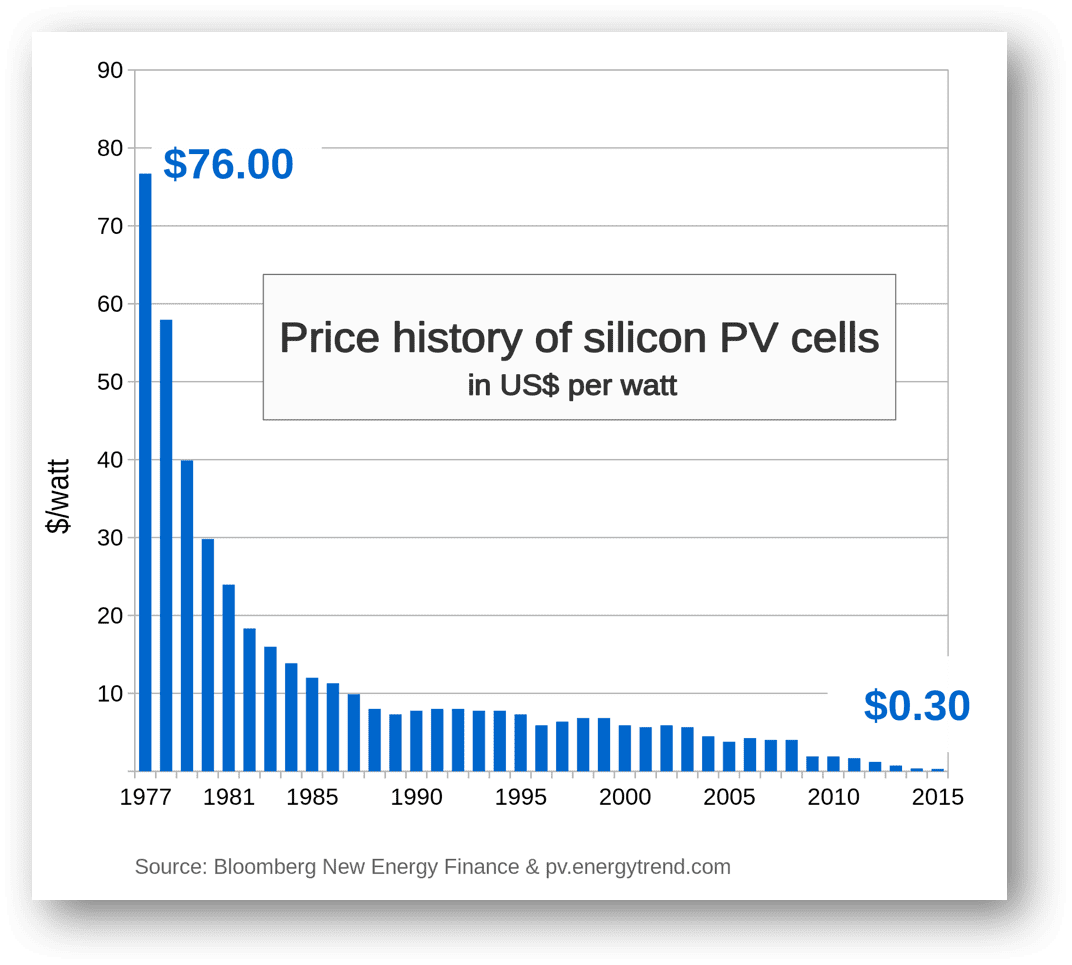

This cost reduction in solar has had a near-exact inverse reaction to solar energy production. The cheaper solar has gotten—the more popular it has become.
So, finally, how does all this tie back to the small-cap Company that could change everything…
Recall, the Company that isn’t an energy company.
Yet it is a small-cap bringing the energy of the future to the present.
Introducing…
EXRO Technologies Inc.
Canadian Securities Exchange: XRO
US OTC Markets: EXROF
EXRO Technologies is a stock that trades on the CSE under the symbol XRO.
EXRO Technologies is not a Tesla or a NextEra or a SolarCity.
EXRO is a Vancouver-based technology company that has created an intelligent energy management system that is revolutionizing how energy is converted.
Remember how utility companies are in the business of converting energy and transporting it?
Remember how a large portion of the energy produced is lost in the conversion process? And how inefficient generating electricity really is?
These inefficiencies are even more prevalent with renewables than with fossil fuels.
Current renewable energy systems cannot be set up optimally.
This is because systems that harness renewable energy are subject to consistent variable change.
Take wind power, for example.
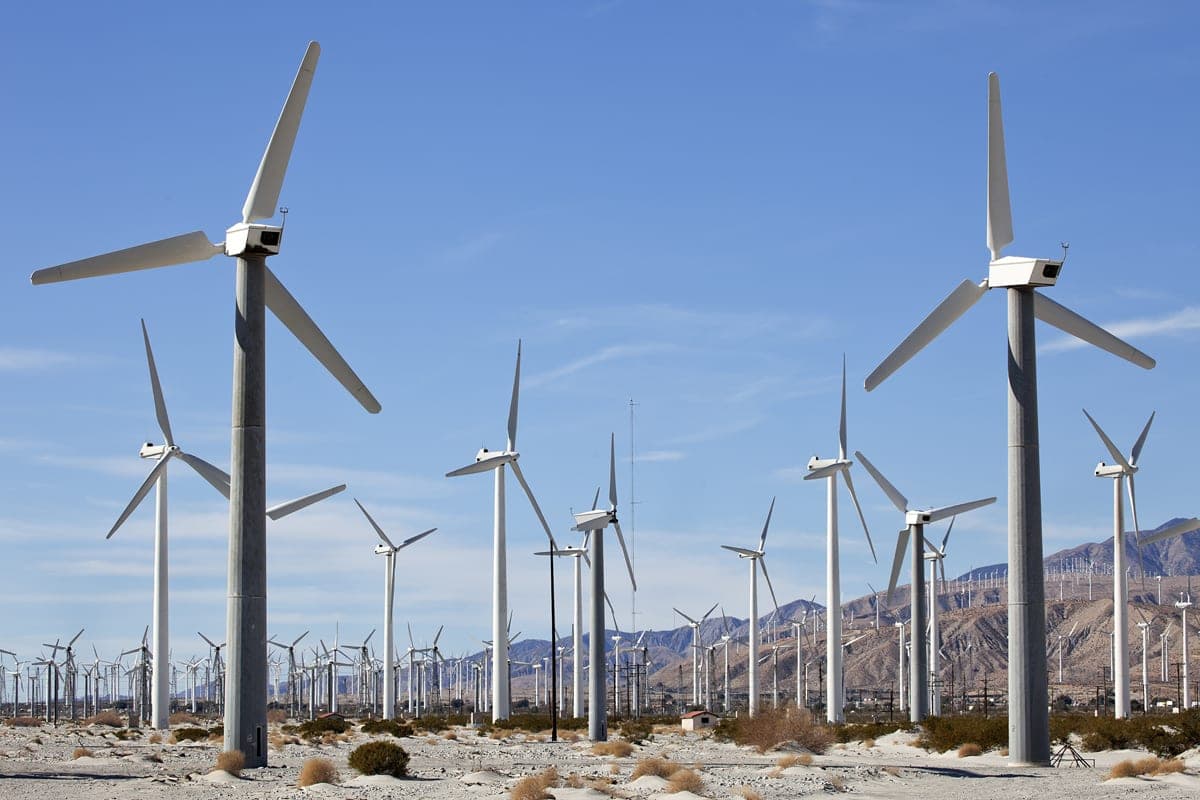
The constant change in wind speeds – from steady 30 mile-per-hour gusts to a sudden 80 mile-per-hour gale – obviously affects the speed of a wind turbine.
Herein lies the problem.
A turbine, whether it’s wind, coal, or natural gas, runs most efficiently at a singular speed. When the turbine spins above or below that speed, energy is lost.
With fossil fuel systems, the peak efficiency speed of the turbine can be carefully maintained by controlling the amount of source burnt.
But wind turbine speeds cannot be maintained because of the ever-changing wind.
This unnecessary energy loss has plagued wind power since its beginning in 1888.
In fact, unnecessary energy loss still plagues many other critical technologies as well as renewables.
That is…
Until EXRO created DPM—a game-changing electronic system that improves the performance, efficiency, and longevity of generators—and more…
DPM—the Future of Global Energy
So, how will DPM disrupt the world of energy?
Remember, when utility companies covert and transfer energy from one “container” to the next, the process is never perfect. That’s because some—and often a lot—of energy is lost.
This is where EXRO’s patented DPM technology comes into play.
DPM stands for Dynamic Power Management.
The proprietary tech makes energy production smarter, more cost-effective, while increasing efficiency by reducing the amount of energy lost during a “container transfer.”
It may sound small—insignificant even—but DPM is poised to change the world.
To demonstrate how it works, look closer at modern-day wind power.
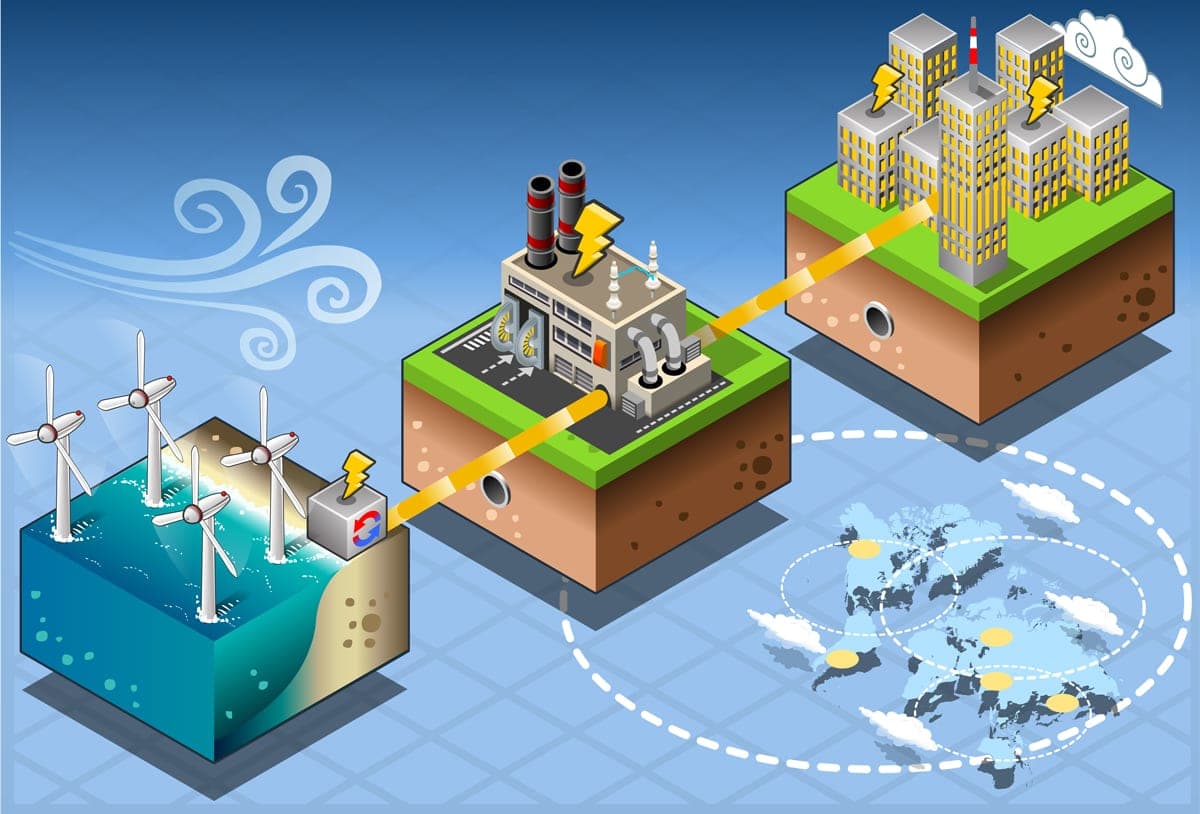
While the speed of the wind turbine is constantly changing, the traditional generator still only runs at peak efficiency on one speed.
The traditional generator, therefore, has never worked well with wind as a power source.
Performance-optimizing control systems that would ensure the turbine does not surpass its optimum speed are currently being written about.
But the technology that would make electricity production more efficient (if the turbine cannot reach optimal speed) is still in its infancy.
Today, windmill blades are being redesigned with curved tips to take maximum advantage of all wind speeds.
But these new models only go so far in optimizing productivity levels at high wind speeds.
Ultimately, wind turbines are still being built to run best at one speed. No faster and no slower.
It’s for this reason that wind energy accounted for less than 2 per cent of total global energy consumption in 2018, despite being invented more than 100 years ago.
And since wind turbines are still too inefficient, wind farmers have to compensate with quantity.
For a wind farm to rival the output of a single nuclear power station, the farm must have 2,000 turbines.
More than two-thousand.
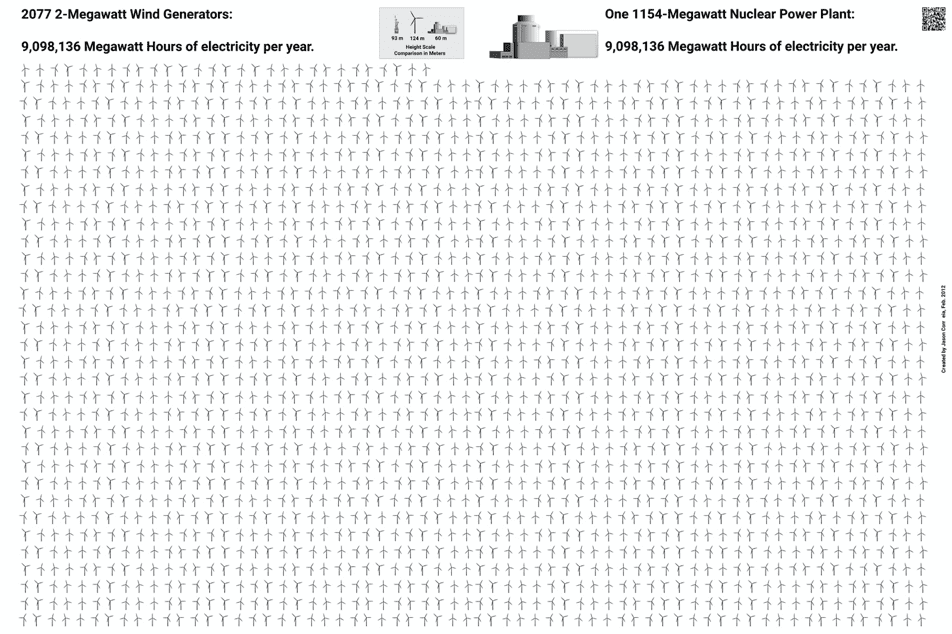
The sheer number of windmills that must be built and maintained drives the cost of wind-powered electricity skyward.
And that’s in addition to the vast amounts of land required.
According to the Nuclear Energy Institute, wind farms require 360 times more land area to produce the same amount of electricity as a typical 1,000-megawatt nuclear facility.
All these factors add up to why wind power continues to make up only a small share of energy markets.
This technological issue, or design flaw, has held back alternative energy for more than a century.
That is until a man named Jonathan Ritchey came along and invented DPM.
The Man Redefining Electric Energy Production
Before Ritchey founded the Company looking to disrupt global energy markets, he was a food scientist.
Although he always had a passion for applied physics and inventing, it was almost by accident Ritchey came up with the novel idea behind EXRO Technologies.
The story began one night when Ritchey and his family were staying at a cabin. The cabin was off-grid and powered by a generator.
Ritchey noticed that the generator was making a lot of noise throughout the night while the rest of his family slept, so he went outside to see if there was some way to turn it down.
He thought if the generator was producing less power, it would make less noise as well.
But Ritchey was surprised to find that there was no way to turn it down. The generator ran on one setting, no matter what.
He found that odd.
Why couldn’t the speed of the generator be adjusted?
Ritchey began researching and quickly discovered that all generators must run on one precise speed to produce electricity efficiently. This is just as true for a small domestic backup generator as it is for a power plant’s industrial turbines.
This is how generators had been produced for nearly 200 years. No one questioned it or tried anything different.
Until Jonathan Ritchey did.
His first Dynamic Power Management (DPM) prototype was simple.
He began designing a small generator that, unlike the generators up until that point, did not use a simple copper coil.
Ritchey created many individual coils—and constructed a mechanism that could shift their placement. This was his first take on a generator with multiple configurations, each designed to maximize efficiency for a particular speed range of the turbine.
Once Ritchey had a functioning model, he took his designs to a local clean technology institutional fund called Chrysalix. The people at Chrysalix liked his prototype and gave him some money to build a better version and provide proof of concept.
Ritchey used the cash to build a company that would eventually become EXRO.
Ritchey and a small team from Chrysalix went to a specialized prototype shop in Kansas and started working on a full-scale model.
After several months of experimentation, the group managed to prove Ritchey’s concepts on a larger scale. They had created a generator that could achieve optimal electricity generation at different speeds.
They had created the world’s first intelligent generator.
This was the first major update to generator technology since Nikola Tesla’s work with alternating currents in the 1800s.
With a real proof of concept established, Ritchey’s fledgling company received more funding, allowing them to snatch up patents, create more robust prototypes, and advance the game-changing tech.
This was the early days of EXRO.
So why should you care now?
Well, simply put…
The Stars are Aligning
DPM is on the brink of disrupting alternative energy sources like wind.
And with wind power poised for massive growth, it’s a big part of what makes this Company’s tech such a strong long-term play.
Remember BloombergNEF projects that wind power will account for one-quarter of the world’s electricity generation by 2050, attracting US$5.3 trillion in investment over that span.
EXRO’s proprietary tech is set to play a huge part in that significant opportunity. In fact, it could even bolster those figures.
After developing and refining its technology in the generator space for over five years, the Company will release its results… in August!
But EXRO is having such a breakthrough year that its technological developments in the generator space are only a portion of its potential…
In fact, EXRO’s achievements in technology are already having immediate effects on billion-dollar industries that exist right here, right now.
Not a “distant possible future.”
EXRO isn’t just applying its technology to make wind a more viable power source.
The Company has applied its technology to making electric motors more efficient with systems that seek to reuse that expelled kinetic energy.
In other words, their technology can be applied to a multitude of mobility spaces.
From cars to busses, boats to bikes, any vehicle with an electronic motor, and a battery could benefit from DPM.
DPM doesn’t just affect electric generators; it also affects electric motors.
EXRO’s Electric Program Module (EPM) Evolution
It was just over a year ago when the team at EXRO realized they hit the jackpot.
You see, a motor is essentially the opposite of a generator. It works on extremely similar principles and can look near identical. Rather than spinning a copper coil to generate electricity, a motor uses electricity to spin a copper coil.
And after years of development, the EXRO team advanced their technology to make that process more efficient also.
They had discovered that their technology could revolutionize everything with an electric motor in it from a blender to an eighteen-wheeler.
While increasing the efficiency of all things electric presented endless potential, EXRO knew it had to narrow its focus.
Sure, perhaps, one day, EXRO’s patents will be inside your vacuum cleaner.
But vacuum cleaner companies aren’t in dire need of a more energy-efficient design.
As a small-cap company, EXRO realized it had to zero in on the markets hungriest for change.
“We decided first we’ll focus on mobility. All kinds of mobility and all kinds of spaces, but mobility, because that’s where we see huge cash bar in the market,” CEO Sue Ozdemir said.

Ozdemir joined EXRO as CEO in September 2019.
She grew up assembling motors as a young girl at her family motor repair shop and could fix a motor before she was 15 years old.
Ozdemir would go on to become one of the world’s proven leaders in the innovation and manufacturing of electric motors.
She eventually landed at General Electric’s small industrial motors division, building the division into a US$160 million enterprise over a nine-year span as CEO.
Then EXRO headhunted her to help advance the Company’s technology through commercialization with new and existing partners.
“What I really did was create a new focus for the company, to help us streamline and write a technology roadmap so that we could build on what we were learning and tie it to the market,” she said.
Ozdemir essentially helped reposition EXRO as a software design company, which creates a computer chip that makes existing electric motors smarter and more efficient.
EXRO’s patented computer chip, software, and algorithms were then rebranded as an Electric Program Module (EPM) early this year.
How EPM is Making Mobility Smarter
Last fall, Ozdemir saw that EXRO was good at many things, but not great in any one department.
That’s why she helped drive the Company to focus on mobility first.
The new CEO wanted to make sure EXRO was communicating across all mobility markets the full potential of its breakthrough technology.
The Company’s patented DPM real-time coil switching technology was recommunicated as the EMP computer chip.
And that computer chip is what modifies the output and behaviour of an electric motor on-the-fly.
The EPM uses a machine-learning algorithm that integrates into the power electronics and essentially acts as the “brains” of the system.
“Just like you’d think of what Intel is to a computer, would be what EXRO is to an electric motor system,” Ozdemir says.
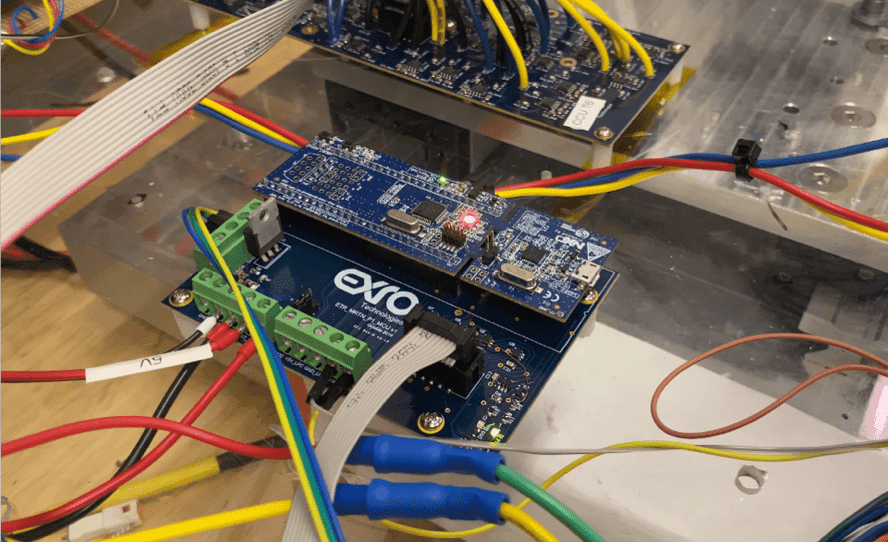
She explains that the electrification industry is hungry for the innovation that EXRO’s tech is providing. That’s because companies are under immense pressure to increase performance and efficiency to satisfy customer and environmental demands.
For example, the static nature of an electric motor means electric bikes, skateboards, or scooters achieve optimal performance on flat roads. But when going uphill or pushing significant weight, they quickly reach their limits.
And this technological roadblock has especially hindered the electric vehicle industry.
It’s the reason why Porsche and Tesla use two or more motors and multiple gearboxes to get the speed and range they need in their high-performance electric vehicles. One motor is configured for high-end speeds and another for low-end torque.
But EXRO’s technology performs a coil switch in real-time as it learns the demands of the system.
That means only a single motor is required.
A single motor can repeatedly change from a high speed to a high torque configuration seamlessly, on-demand.
This is all done electronically. And the coil switch is fluid, so the vehicle operator doesn’t feel a thing.
Ozdemir says the technology is already achieving real-world results.
Earlier this year, EXRO announced their software and EPM was able to achieve a 25 per cent increase in an electric motor’s top speed and a 25 per cent increase to low-end torque.
Twenty-five times faster and more powerful.
EXRO technology effectively turbocharges the overall performance and efficiency of existing motors.
But Ozdemir explains that the electric car industry has the biggest stake in EXRO’s technology due to its exponential effects on performance vehicles.
By eliminating one or more motors in a Tesla, it would free up space in the vehicle and reduce weight.
The EPM can also mimic a gearbox in the vehicle creating an electric gearbox. This would also reduce space and increase efficiency.
“We can reduce the weight of a system,” she said. “We can open up space in a system by reducing mechanical parts such as mechanical gearboxes or oversized secondary motors.”
But one other major factor: The motors inside electric cars are called reversible machines.
They are both a motor—and a generator.
When accelerating, the reversible machine acts as a motor, providing torque and moving the vehicle along. When decelerating, the reversible machine acts as a generator, using the motion of the vehicle to generate electricity to replenish the car’s battery.
EXRO’s tech can make both of these processes more efficient, which would further bolster the range and the fuel efficiency of hybrids and pure electric vehicles.
Range has been a spear in the side of the electric car industry since the CitiCar of 1974—a vehicle that got 40 miles to the charge.
Today, the new Tesla Model Sis the first electric car to reach a 400-mile range.
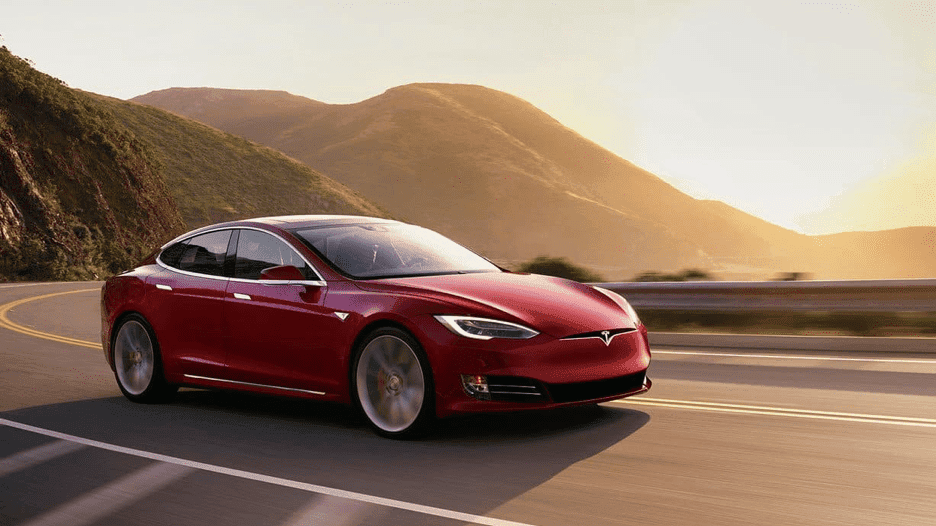
While a 10-fold improvement over the decades is pretty great, Musk has stated he wants his flagship product to hit the 600-mile mark. That would rival what some of the most efficient gas and diesel vehicles get per tank.
No doubt, even with all of Musk’s achievements with the lithium battery, getting another 200 miles of range will be a difficult puzzle.
But EXRO technology may have the final picture for that puzzle—and a couple of pieces too…
And that’s what EXRO is working on right now: proving the value of their technology to the commercial world at large.
EXRO Building World-Class Partnerships
Ozdemir says EXRO’s tech is exactly where the electric vehicle industry is trending, which is the brains of the system.
And with 500 EV models coming on the market in 2022, up from about 100 today, EXRO could soon be inside a number of those next models.
But first, the Company has signed contracts with Potencia Industrial to help showcase this potential.
Potencia designs and manufactures special application, high efficiency, electrical motors and generators.
One of EXRO’s projects with Potencia involves converting traditional internal combustion engines in Mexico City’s taxis to electric motors, as part of a city initiative to green the city’s 250,000 taxi fleet.

EXRO is currently collaborating to integrate its hardware and software technology into Potencia’s motor drives.
Although COVID-19 has slowed the major project, the partnership is set to give EXRO its first proof of concept in an electric vehicle by this summer.
Ozdemir says EXRO’s commercialization strategy in mobility markets is starting to bear fruit across other segments.
That’s because machine manufacturers don’t have to overhaul their production lines to accommodate EXRO’s technology.
The EPM computer chip can integrate right into the system with only access to the leads of the motor that plug into the power electronics, Ozdemir explains.
This convenience is a big reason why EXRO has snatched up contracts with six partners in total, closing in on its stated goal of eight partners by the end of this year.
EXRO’s partnerships represent a wide range of multi-billion-dollar mobility markets:
- Zero Motorcycles– EXRO teamed up with Zero Motorcycles in June to enhance their innovative electric-powered motorcycles. EXRO’s coil drive technology is being put into Zero’s lightweight ZF75-10 model to make the machine even more efficient.
- Templar Marines– The Company has a pilot project running with Templar Marine’s water taxis. The multi-billion-dollar marine industry would enormously benefit from EXRO’s technology as the sector increasingly switches over to electric motors for a cleaner environment.
- Motorino Electric – EXRO has partnered with Motorino Electric, an e-bike company. EXRO’s engineering provided a torque and accelerationincrease of 25 per cent on their electric bikes. Motorino is now performing complex field tests on the EXRO-enhanced e-bike to confirm the Company’s results. EXRO called the enhancement “another major milestone in the path to commercialization of this disruptive technology.”
- Aurora Powertrains – The Company joined forces with Finland-based Aurora Powertrains earlier this year to optimize the range and cost of Aurora’s e-sled all-electric snowmobile.
- Clean Seed Capital– EXRO announced in April it signed a supply agreement with Clean Seed Capital Group to integrate its EPM technology into Clean Seed’s high-tech agricultural seeder and planter platforms, advancing the electrification of the global heavy-farm equipment industry.

No doubt, EXRO has been rapidly gaining acceptance across mobility industries.
And this will only increase with the Company’s soon-to-open Calgary Innovation Centre to demonstrate its technology directly to potential customers.
As EXRO grows, the Company has been bringing on new expertise, including ex-Siemens engineer Josh Sobil as Chief Commercial Officer. Sobil is now leading EXRO’s sales and marketing strategies globally.
All of this combined is how…
EXRO is Bringing the Energy of the Future…
To the present.
Remember those words?
Well, it should be at least a little clearer how EXRO is doing just that.
And the Company’s game-changing technology is only beginning to turn heads and pick up steam.
In fact, shares of EXRO have surged 120 per cent year-to-date on the Canadian Securities Exchange.
But with EXRO just starting to tap multi-billion-dollar growth sectors with a current market cap below C$80 million, there’s plenty of room to run.
We know EXRO’s growing suite of contracts in mobility spaces will be bolstered with the new Calgary Innovation Centre about to open.
And remember, the Company is just starting to access the burgeoning E.V. market.
Remember, it’s a market expected to reach US$1.2 trillion by 2027, expanding at a CAGR of over 38 per cent.
BloombergNEF projects the size of the global E.V. fleet to surge to 116 million in 10 years, up from just 8.5 million today.
And as EXRO’s technology makes these machines faster, lighter, cheaper, and more efficient, it could make electric vehicles an even more common sight in the years ahead.
But what makes EXRO’s story even more compelling is another near-term catalyst yet to be mentioned…
And this market segment is probably just as important and integrates hand-in-glove with EXRO’s mobility strategy.
Batteries
EXRO is near the end of a year-long research and development phase to improve current lithium-ion battery technology.
The Company has been developing artificial intelligence that helps battery systems become smarter in almost the same way as how its coil-switching tech makes generators and electric motors smarter.
EXRO’s new battery technology treats each cell as an individual unit, providing real-time control of each cell. In this process, the A.I. slows down the degradation of the battery cells, in turn, extending battery life.
The new technology also controls the battery’s current, voltage, and frequency in real-time for near-optimal torque.
This prevents stopping and starting of the cells, which reduces wasted power and increases efficiency while lowering battery costs in the process.
“We continue to develop our A.I. battery technology and are excited to release our results this coming August,” Ozdemir said. “We feel good about the benefits that we’ll bring to the second life battery segment.”
Imagine the potential of EXRO’s new battery tech once it combines with its electric motor EMP technology…
Remember, EXRO is designing and commercializing an intelligent energy management system that uses artificial intelligence to change the way energy is transferred, used, and stored in lithium-ion batteries, electric motors… and generators.
That’s right, don’t forget EXRO is also set to unveil its proof of concept for a smart generator.
Ozdemir says those results will be released in August, and the Company will first target wind power.
Currently, wind power is a US$100 billion market, but set to grow at least ten times by 2050.
And EXRO is on the cusp of playing a big role in that growth.
But you may read all this and ask: What about EXRO’s competition?
Surely there’s a number of other companies trying to develop performance gains through coil switching, right?
Well, as mentioned, there are white papers being written on the subject by different companies, “but nobody has been able to achieve the results that we have been able to achieve,” Ozdemir says.
And EXRO is the first Company to be able to develop the algorithms that are intelligently integrating into existing motor systems.
Ozdemir says EXRO has around half a dozen competitors in the motor manufacturing space, with Linear Labs out of Texas leading the pack.
But these companies are in the business of developing brand new electric motor designs that would push out more torque and speed.
In other words, EXRO has a steep advantage over these companies because E.V. manufacturers would have to overhaul their assembly lines to incorporate the new designs.
Further, E.V. makers would have to redevelop their vehicle’s entire powertrain and go through years of testing to validate the new designs.
EXRO is already many steps ahead. And the Company’s technology has the potential for exponential gains.
The fact is, some of the fastest evolving industries on the planet want something only EXRO can provide.
Yes, the world might look like a scary place in 2020. But we’re also on the cusp of doing some pretty amazing things.
New major players are emerging in the global market…
Burgeoning energy sources are becoming prominent…
Technologies are being invented…
The world is shifting.
The goal, as always, is to find smart investments in this ever-changing environment. To help readers see the links and the logic between the financial and physical worlds.
EXRO might not be trying to bust entire continents the same way the Musk’s and Tesla’s of the world are.
But EXRO is taking the shifting world…
And make it go faster.
And their tech could eventually be inside….
Well, just about everything from a blender to an 18-wheeler…
It might be in wind turbines in Ireland…
In tidal stream generators in the Pacific…
In electric cars in America…
Or, perhaps, maybe, one-day, in your vacuum cleaner…
The point is, some of the fastest evolving industries on the planet want something only EXRO can provide. They may not know it’s available yet—or recognize how much they need it.
But once they do?
Well…
EXRO probably won’t be sitting at C$0.84 per share for long.
So, final thoughts.
EXRO is rife with potential.
While EXRO is still a small-cap company, it’s been gaining major investor demand.
EXRO’s tech and intellectual property—which includes 15 patents and eight pending—will no doubt allure larger companies in the future.
This gives the Company a nearly incalculable layer of value and potential for explosive growth.
While the Company continues to increase its number of clients, adding a company like Tesla or an energy company like GoldWind would make EXRO’s market value skyrocket.
And it’s very possible EXRO will be landing more than their desired eight contracts by the end of the year.
Afterall…
They are bringing the energy of the future to the present.
Disclosure: Exro was once an advertiser, but does not have an active advertisement agreement with us.