O Boom Silencioso da Energia Sobre o Qual Ninguém Está Falando
por Equedia20 minute read
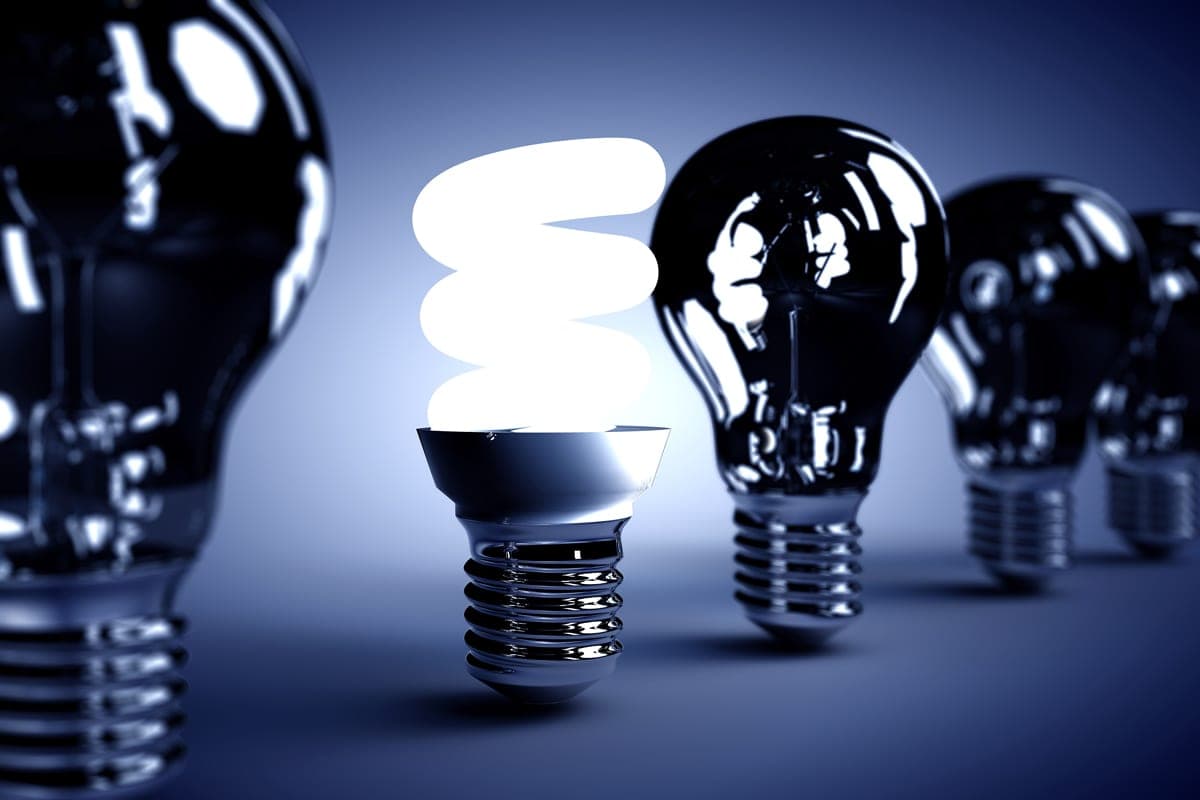
Esqueça o Lítio, Esta Fonte de Energia Está em Ascensão e Ninguém Está Falando Sobre Ela
“Somos como arrendatários que derrubam a cerca em volta da nossa casa para obter combustível, quando deveríamos estar usando as fontes inesgotáveis de energia da Natureza — sol, vento e maré… Eu apostaria meu dinheiro no sol e na energia solar. Que fonte de energia! Espero que não tenhamos que esperar até que o petróleo e o carvão se esgotem antes de abordarmos isso.”
Consegue adivinhar quem disse isso?
Thomas Edison.
Isso mesmo.
Thomas Edison. O homem que inventou a lâmpada há um século.
Mesmo antes da ascensão do automóvel e dos dispositivos elétricos de alta potência, Edison já previa o fim do petróleo e do carvão.
Demorou cem anos, mas finalmente…
O Resto do Mundo Também Está Começando a Ver Isso
Em breve, vamos mostrar-lhe uma oportunidade de energia alternativa que está em ascensão silenciosa e que é negociada muito abaixo das suas receitas projetadas para este ano.
Na verdade, esta Empresa tem um valor de pouco mais de C$20 million, mas possui um pipeline de mais de $100 million – com mais de $34 million em backlogs já.
Mas primeiro…
Estou cansado de pessoas me falando sobre o potencial ilimitado da energia alternativa.
Na verdade, estou completamente exausto.
E sinto-me assim por uma razão simples.
EU JÁ sei que a energia alternativa tem um potencial praticamente ilimitado.
E você também.
Todos nós sabemos.
A água flui.
O vento sopra.
E o sol é uma bola de energia pura mais de um milhão de vezes maior que a Terra.
Essas forças da natureza existiam muito antes de nascermos.
E continuarão muito depois de deixarmos de existir.
Você sabe disso. Eu sei disso. Todos nós sabemos disso.
Então, toda vez que leio sobre o quão promissor é um determinado setor de energia alternativa ou ouço um especialista dizer que a próxima revolução energética está a apenas um dia de distância – tudo baseado no argumento de que a energia solar, eólica ou hídrica nos dará “energia limpa ilimitada” – eu reviro os olhos.
Não porque estejam errados.
Mas porque não estão realmente dizendo nada. Nada de novo, pelo menos.
Todos nós estamos cientes dos enormes tesouros de energia no mundo ao nosso redor.
Sabemos que existem fontes de energia mais limpas do que o carvão ou o petróleo.
Também podemos ver pessoas inteligentes, como Elon Musk, que estão trabalhando duro para capturar essa energia limpa e armazená-la em Lithium batteries para que possamos usá-la em nossas vidas diárias.
Mas nenhum desses fatos por si só são fortes indicadores de que o momento de investir é agora.
Um investidor astuto precisa considerar mais do que apenas o potencial futuro de uma tecnologia.
Ele precisa considerar onde a tecnologia está AGORA, quando o mercado amadurecerá, a localização geográfica onde o mercado está crescendo e quais investimentos específicos no setor trarão os melhores retornos.
Estes são apenas alguns dos gatilhos que mantenho em mente ao avaliar oportunidades de energia alternativa.
E estou escrevendo para você hoje porque esta pequena empresa está acionando alarmes silenciosos.
Mas antes de entrar nos detalhes dessa oportunidade, vou lhe dizer as três razões pelas quais considero o setor de energia solar tão promissor – excluindo a óbvia: quão ilimitada e limpa é a energia solar.
#1: O Rápido Crescimento da Indústria Solar nos Últimos Dois Anos.
2015-2016 foi um período incrível de crescimento para a indústria solar.
- Em 2015, a capacidade global de energia solar experimentou um crescimento recorde, aumentando em mais de 50 gigawatts.
50 gigawatts de energia equivalem a cinquenta bilhões de watts. Se a magnitude desse número lhe escapar, considere o seguinte…
A cidade de Nova Iorque funciona com aproximadamente 5 gigawatts por ano.
Assim, o aumento da capacidade solar global de 2015 representa energia nova suficiente para abastecer dez megacidades, cada uma do tamanho de Nova Iorque.
- Além disso, a International Renewable Energy Agency (IRENA) relatou que, no final de 2015, o número de pessoas empregadas na indústria solar havia atingido 2.8 million—e ainda estava crescendo constantemente.
Os empregos são um forte indicador do tamanho e vitalidade da indústria. Os empregos também ajudam a solidificar a dependência de uma nação em relação a indústrias específicas — protegendo essa indústria de ser esmagada por mudanças políticas ou pela opinião popular.
Além disso, 2.8 million é quase 30 por cento do número de empregos suportados pela indústria de gás e petróleo.
E a IRENA espera que o número de pessoas empregadas no setor de energia alternativa triplique até 2030, potencialmente colocando a importância da indústria solar para a nossa comunidade global em pé de igualdade com a atual indústria de gás e petróleo.
- Outro forte indicador do crescimento no setor solar é o boom na instalação de painéis solares residenciais. Em 2006, mal 30,000 homes across the U.S. tinham painéis solares. No final de 2015, esse número estava se aproximando de one-million.
E a taxa de crescimento está prevista para disparar drasticamente nos próximos anos.
Nas palavras de Dan Whitten, vice-presidente de comunicações da Solar Energy Industries Association (SEIA):
“Levamos 40 anos para atingir 1 million installations, e levaremos apenas dois anos para chegar a 2 million. Este é um momento para marcar quando a indústria solar começou a acelerar em velocidade de dobra.”
Em outras palavras, 2015 foi um ano recorde incrível para a indústria solar.
O que deve dar um pouco de peso às minhas palavras quando digo…
2016 superou 2015.
Em 2016…
- O crescimento global da energia solar saltou 50 per cent. Isso significa que 76 gigawatts de capacidade foram adicionados à capacidade global, 26 billion watts mais do que 2015. Isso equivale a 15 New York Cities adicionadas à rede elétrica global em um único ano.
- A U.S. solar industry registou um 21 per cent increase in jobs—um crescimento que excedeu 12 times that of their national average. Isso significa que a economia dos maiores consumidores de petróleo do planeta está a tornar-se cada vez mais dependente dos subsídios fiscais e do progresso tecnológico que impulsionam a energia solar.
- O número de residential installations in the U.S. ultrapassou 1 million. O que significa que cada vez mais pessoas, e não apenas corporações, estão a recorrer à energia solar.
- E a China superou todas as outras nações do mundo ao instalar impressionantes 34 gigawatts de capacidade solar em apenas um ano.
O rápido crescimento da indústria solar nos últimos anos e o crescimento ainda mais rápido previsto para os próximos anos é apenas uma das três razões pelas quais gostamos tanto do setor solar.
A segunda razão para amar a energia solar é…
#2: Os Custos Decrescentes da Energia Solar.
“Custos decrescentes.”
Quando você pensa pela primeira vez em “custos decrescentes”, especialmente no que diz respeito ao setor de energia, sua reação é provavelmente uma mistura de negativo e positivo.
Afinal, quando o custo do petróleo diminuiu do final de 2014 ao início de 2016, a gasolina ficou mais barata, uma vitória para qualquer pessoa que dirige um automóvel.
Mas…
O valor das ações de petróleo diminuiu juntamente com o valor do petróleo, uma perda para os investidores do setor.
Então, embora os custos decrescentes possam parecer uma razão óbvia para instalar painéis solares em sua casa, são também uma boa razão para investir numa empresa solar?
Em suma, sim.
A queda nos custos da energia solar é totalmente diferente da queda nos custos do petróleo.
Existem duas diferenças principais:
1. Petróleo, carvão e combustíveis fósseis têm sido naturalmente os combustíveis mais abundantes, poderosos e baratos disponíveis para as nações industrializadas por mais de um século.
E, mais importante…
2. As empresas petrolíferas vendem uma commodity. As empresas solares vendem uma tecnologia.
Não vou gastar muito tempo na primeira diferença entre energia solar e petróleo porque o seu impacto é óbvio.
Os novos participantes, em qualquer indústria, precisam criar clientes e demanda. Um passo importante na criação desses clientes e da sua demanda é garantir que o seu produto tenha uma forte relação custo-benefício para os seus clientes.
Criar uma forte relação custo-benefício com a energia solar foi impossível por décadas.
Em 1976, devido às limitações da tecnologia e da infraestrutura, produzir um quilowatt de energia solar custava aproximadamente $83.81.
Enquanto isso, no mesmo ano, gerar um quilowatt de energia com fontes tradicionais custava em média 9 cents.
Obviamente, esse preço tinha que baixar.
Bastante.
Ou então a energia solar nunca teria uma chance.
E baixou mesmo.
Essa queda não prejudicou o setor solar, mas, sim, transformou a energia solar em uma fonte de energia viável.
As quedas no preço do petróleo obviamente têm um efeito diferente nas empresas petrolíferas, como pode ser visto com a recente queda nos preços do petróleo que começou June 15th, 2014.
De July 3rd, 2014 a January 8th, 2016 as ações da British Petroleum (BP) caíram 45.6 per cent.
A segunda diferença entre a indústria solar e outros setores de energia tradicionais é que as empresas de energia tradicionais operam de forma semelhante a corporações que se especializam na venda de uma commodity, enquanto as empresas solares se comportam de forma semelhante às empresas de tecnologia.
O que isso significa exatamente?
Bem…
Empresas que lidam com a venda de commodities têm uma relação muito simples entre o valor de sua commodity e o valor de suas ações.
A relação entre o custo do petróleo e o valor das ações das empresas petrolíferas é linear.
Quando a oferta supera a demanda na indústria do petróleo e o valor do petróleo despenca, o mesmo acontece com o valor das ações de petróleo.
As empresas solares, por outro lado, não dependem de uma única commodity. Isso porque as empresas solares se comportam como empresas de tecnologia. (Embora seja importante ter em mente que as indústrias de tecnologia ainda impactam fortemente, e são afetadas por, certos mercados de commodities envolvidos na produção de tal tecnologia, como lithium, silicone e platinum.)
O custo da energia solar é principalmente impactado por quedas no custo de produção de tecnologia. E o custo de produção de tecnologia, como você provavelmente sabe, está em constante declínio.
É um ciclo com o qual todos estamos familiarizados, de iPhones a TVs: quando tecnologias mais caras são criadas, as mais antigas tornam-se ligeiramente desatualizadas e, assim, são vendidas mais baratas.
Este ciclo é extremamente lucrativo para as empresas de tecnologia.
O processo permite-lhes produzir uma vasta gama de produtos destinados a diferentes classes de pagamento e recomendar atualizações e patches pagos regularmente.
Você já pode ver os benefícios deste ciclo se manifestando no modelo de negócios da Tesla, o principal player solar. Há apenas alguns meses, a Tesla revelou que a simples instalação de painéis solares, variando entre $25,000 e $35,000, em breve será considerada um produto de gama inferior.
O telhado solar estará tomando seu lugar.
Com um preço ainda a ser revelado que muitos estimam estar entre $65,000 e $80,000, o telhado solar promete ser um divisor de águas na indústria.
Um divisor de águas que só foi possível porque o custo de uma 5 kilowatt solar panel array installation já não ultrapassa os $100,000, como era em 2006.
À medida que o custo das tecnologias solares diminui, o número de produtos disponíveis e a proliferação de produtos aumentarão, levando a uma expansão da indústria, assim como dezenas de outros setores de tecnologia experimentaram.
O que você deve tirar disso é que a queda nos custos da energia solar é boa para nós.
Muito boa.
A terceira razão pela qual quero adicionar um pouco de sol aos nossos portfólios é…
#3: A Globalização da Indústria Solar
Embora a indústria solar exista tecnicamente há mais de 40 anos, a maior parte do seu crescimento ocorreu na última década.
E na primeira metade dessa década, esse crescimento foi quase exclusivamente observado na European Union.
Como você pode ver no chart above a expansão global da indústria de energia solar começou nos últimos cinco anos. E, pelo que a maioria dos especialistas pode dizer…
Está ganhando força.
A demanda que impulsiona essa expansão vem principalmente dos U.S., China, India, e vários neighboring countries.
A sensação de urgência para aproveitar a energia solar está crescendo em todo o lado.
Mas em nenhum lugar essa demanda está crescendo tão rápido quanto na China. Em 2016 a China dobrou sua solar capacity, aumentando sua solar infrastructure por 34 gigawatts.
A razão para a sua pressa é, presumivelmente, esta:
Não, essa não é uma imagem renderizada de um futuro orwelliano.
Aquilo é Beijing.
E aquela névoa cinzenta isn’t a fog, a low cloud, or a very overcast day.
Aquilo é poluição pura e não adulterada.
Não acredita em mim?
Vê aquela coisa branca e esvoaçante no canto direito?
Aquilo é uma cloud.
E a coisa cinzenta e turva cobrindo o mainland?
Esse é o resultado da China depender do coal por decades.
O impulso da China pela energia solar é uma parte crítica do seu plano para reduzir a dependência do coal—e, assim, eliminar a terrível air pollution que a sua populace sofre from.
De fato, a China agora incluiu apoios à energia solar em seu current five-year economic plan. Este é um sinal de que os (admittedly overlapped) public and private sectors do país estão unidos neste esforço.
Os United States são o birthplace of the solar cell, e atualmente ocupam o second lugar na fight for clean energy.
Os U.S. usam mais power do que qualquer outro country in the world. Portanto, não deve ser surpresa que estejam a investir fortemente na energia solar.
Federal and state tax incentives são a driving force por trás da solar revolution nos U.S., in spite of low gas and oil prices.
Analysts esperam que a demand for solar energy will grow even more quickly with the rebound of low gas and oil prices.
Essa demanda falhará com a postura mais tradicional do President Trump em relação à energia?
Talvez.
Mas a massive amount of jobs que a solar power trouxe para os States might make him hesitate to slash those important tax incentives.
A India também tem big dreams for solar, com um plan to increase solar energy production 800 per cent by 2021.
A importance of reliable clean energy na India will only grow as the county enacts their “Power for All” plan. “Power for All” é uma initiative to ensure there is enough power and consistency on their grid to care for the ever growing Indian population. This plan includes constructing 100 gigawatts de renewable power, much of which will be solar.
Em 2017 alone o Indian government plans to add 8.8 gigawatts to their solar capacity, placing them amongst the top countries in terms of capacity.
O Canada too has their eye on the sun, albeit, on a smaller scale than these other three. While there is not a race for solar power throughout all of Canada, in part due to historically low energy prices, there are several important uses for solar that will see several billion dollars flow into the sector.
For example, remote or rural towns that rely heavily on noxious and expensive diesel fuels are looking towards solar as a cheaper and altogether more pleasant option.
E Ontario já avançou para o future with several hundred megawatts de solar energy on the grid.
Tudo isso para dizer…
A energia solar está em ascensão.
E é praticamente garantido.
O changing political climate poderia impactar negativamente a American solar industry?
Potencialmente.
A China poderia recuar em seu commitment to improve their air quality?
Talvez.
A India might decide that ensuring their people have power is not a priority?
Possivelmente.
Mas estou fairly certain none of those will happen.
E eu apostaria meu right arm that all three won’t.
É por isso que estou prestes a apresentar-lhe um international player na solar industry – uma empresa com uma strong presence nas Philippines, the U.S., and Canada, e uma growing presence na China.
O melhor de tudo, o sucesso desta Company’s não está ligado a nenhuma economy or political system.
Deveríamos ver growth with this pick as long as one of the major solar players pursues their expected solar goals for 2017 and beyond.
A best part of this opportunity é o strong potential for exponential growth.
Acredito no potential desta company’s por two reasons.
1. Because the company I am about to reveal is still very much under the radar. When other investors recognize it as a gem it is the company’s value may soar without warning.
2. If all the major solar players continue on their current courses for 2017 it would be difficult to imagine a scenario where this small cap doesn’t rocket upwards.
Então, sem mais delongas…
UGE International Ltd.
(TSX-V: UGE) (OTCQB: UGEIF)
A UGE International Ltd. é negociada na Canadian stock market sob o symbol “UGE” e na U.S. stock market sob o symbol “UGEIF”.
Aqui está um quick summary da UGE, antes de eu entrar no que os makes them so attractive.
Primeiro, é importante entender que a UGE, based in Canada, provides full-service energy solutions to commercial and industrial clients internationally.
Esta é uma sharp distinction de other solar contractors cujo primary focus is on residential.
O business and marketing model da UGE difere dos residential contractors. E sua specialization and focus on commercial and industrial projects permite à UGE assumir installations that their would-be competition cannot.
Isso ocorre porque, other than Tesla, a maioria das solar companies é small and focus on residential projects.
Even if they do accept the odd commercial contract, often times small solar companies can only do a small part of large commercial installations.
A UGE specializes in every part of large-scale commercial and industrial projects.
Eles design, build and install the solar energy network. Companies of a similar or smaller size would generally have to partner with an engineering firm and, potentially, a construction company.
By having every skill necessary for a large scale project in-house a UGE can produce more cohesive products, at better rates.
Also, a UGE completes projects with no upfront price tag, and, therefore, no capital risk for their client.
Tudo isso permite que a UGE opere em um far less crowded and competitive corner do solar market, which will enable them to thrive in the near future.
A mindset at UGE é one that both I and their clients can get behind. They sell you power, for less.
Energia.
Por menos.
Você might remember earlier on I explained how important the declining costs of solar power are.
Well, here is where that comes into play.
Nas palavras do CEO da UGE, Nick Blitterswyk:
“Em 2008 solar panels estavam sendo vendidos a $4 a watt. That cost has come down more than 10 times to just 34 cents a watt, so now companies are making the decision to go solar based on economics, on real cost savings.
“In the areas where we’ve traditionally operated, like the eastern US or Ontario, the average client is paying around 14 cents per kilowatt hour, but we can sell you energy for 10 cents per kilowatt hour, and that cost is continuing to drop as the technology improves,” Blitterswyk says.
Because of the declining costs of solar technology a UGE is able to offer businesses a no-brainer foolproof product.
Energia. Por menos.
“Continue usando eletricidade. Exatamente como sempre fez. Mas pague menos por ela.”
Quem poderia dizer não?
É por causa dessa no-nonsense mentality que a UGE conquistou a number of accolades.
- Eles foram named among the Top Solar Contractors by Solar Power World.
- Eles are also the number one solar contractor in Ontario Canada.
- E o number two solar contractor in New York.
Sua simple value proposition tem sido very good for UGE.
Eu gostaria de torná-la boa para nós as well.
Deixe-me tell you exactly why we have UGE in our portfolio…
Primeiramente…
A UGE é um Small-Cap Titan of Commercial Solar Energy
A keyword there is “small-cap.”
A UGE ainda é uma small company.
Não me interprete mal.
A UGE is not small because of stagnation or corporate issues or inability to compete.
A UGE is small because it is young.
Mas it won’t be young for long…
Because UGE’s numbers look great.
Este é o ground floor de uma company bursting with potential.
- Em 2015 a UGE registrou $2.2 million em total revenue. Mas em 2016 a UGE registrou $3.5 million em a single quarter.
- As of December 31st, 2016, a UGE has a backlog de $34.8 million worth of projects. Which may very well translate into $6 million quarters moving further into 2017.
- E o pipeline. A UGE tem um $100 million pipeline.
Claramente, this is a company on the verge of having its first eight-figure year.
E eu don’t think they are going to stop at $10 million.
O primary financial goal da UGE para este year is to exceed $20 million em revenue…
E com um backlog de $34.8 million e um deployment schedule spanning over the next 9 to 15 months, eu don’t foresee the company struggling to meet their goal.
Aqui está o second aspect of this company I like so much,
A UGE é uma Empresa Doméstica com Alcance Internacional
As you probably understand from the company’s proper name, UGE International Ltd., a UGE is an international company.
E that’s not just Canada and the U.S.
A UGE has its sights set on several exploding solar markets.
A UGE is the market leader in Ontario Canada, has a strong presence in the eastern United States, and is one of the few solar companies in the Philippines.
Additionally, with an office in China, a UGE is looking to ride the biggest wave of solar power advancement in history.
This international market diversification is not something you will find in many small-cap solar companies. And it’s a huge part of what makes a UGE so attractive.
Diversity in a business’s target markets nullifies some of the risks for investors.
A UGE conseguiria survive a decline in American clients due to a shifting political landscape?
Eles poderiam potentially even thrive?
Absolutamente.
Because a 50 per cent decline in American clients would only equate to a loss of, approximately, 19 per cent decline of UGE clients.
This would hurt the company sure, but redoubling their marketing efforts on a different front could help them recoup the loss.
A 50 per cent decline in American clients would probably prove fatal for a company that deals solely in the U.S. market.
In addition to being a naturally secure investment, o international aim da UGE also gives them a high potential for overwhelming success.
By involving themselves in several markets a UGE has given themselves a higher chance of being involved in a market explosion that will carry them and their investors to new heights.
As Especialidades da UGE, Solar Comercial e Industrial, Estão em Ascensão
As I discussed previously, specializing in commercial and industrial solar gives a UGE an undeniable edge over solar companies that focus on residential.
Overall, there is less competition in the commercial landscape of solar than the residential.
E o unrivaled level of UGE’s expertise in the commercial and industrial realm makes them the most obvious choice for business owners looking to cut costs and “go green.”
Você may wonder, if the commercial and industrial sector is so advantageous, why isn’t it already bloated with companies and investors?
Essa é uma pergunta justa.
Uma que me fiz early on in my research.
E a resposta foi simples.
O trigger needed for a great surge in North American commercial and industrial solar was a decline in solar prices to the point at which its economy became transparent.
E só atingimos este ponto nos últimos dois anos.
Claro que as companies in 2014 estavam a pursuing solar. But not in a meaningful way. They were not looking to cover a significant portion of their energy needs with solar power. They were only looking for enough coverage to claim they were “dabbling” in clean energy, a relatively useless display of the technology…
Mas that all changed as the costs of solar continued to decline.
A UGE is finding more and more of their clients are looking to pull the trigger on big projects meant to affect real change in the clients’ energy dependence.
Blitterswyk explained it this way:
“Em 2014 the key driver was to look ecologically cool. We’d put some solar power up on an awning or rooftop by the front door for maybe $50,000, but most of their power was still coming from the grid. Now, our average installation is about $1.25 million, and it’s growing very quickly.”
So why was residential so popular in the past?
First, it is important to understand that residential electricity rates are generally about double the rates of commercial power.
Around 2008 the U.S. federal government and several state governments began to offer significant incentives to people who added solar panels to their homes. These incentives, combined with the actual savings from the solar technology, made solar panels financially appealing to homeowners
Similar incentives were available for corporations as well.
But they weren’t large enough to make the transition financially appealing to businesses.
As it would turn out, however, there was no need for stronger incentives. A few additional years and a decline in the cost of solar has created the perfect environment for commercial and industrial solar to thrive.
Então…
O que tudo isso significa?
Bem, vejamos.
Resumo e Avaliação da UGE
A UGE apresenta-nos uma very unique and high-reward opportunity.
A energia solar é o futuro. There is no question about that. There wasn’t any for Thomas Edison one-hundred years ago and there shouldn’t be any for us now.
A solar industry, part tech, part energy, part construction, is like an opportunity to invest in a mixture of Microsoft and BP—before either had made their first billion.
Investir em energia solar é óbvio e natural.
A agenda desta letter wasn’t to convince you of that.
Somos todos rational and reasonable people. I am writing this under the assumption that you can already see how important solar will be in the future…
Mas that you may not be aware that the time to invest is right now.
You see, solar was a terrible investment for forty years.
Mas now that the tech is in the right spot…
You are looking at the ground floor of a new trillion dollar global industry.
So the only question that remains is…
Por que UGE?
Compared to more mainstream Solar plays, like Tesla, a UGE is riskier.
Eles are a smaller company. With far fewer media presence, investing, and revenue.
Plus they have no intention of breaking into the luxury car business.
But, make no mistake, a UGE is not a startup.
Eles have a backlog of work valued at twice the market cap of the company.
And their sector is strong, even underpopulated.
As I am sure you are aware, the earlier you invest in a company the higher return you could, potentially, make.
As ações da Tesla estão currently hovering around $260 com um market cap de $44.28 billion. Will the stock value eventually double? Will Tesla become a $100 billion company?
Talvez.
Mas that growth will take a while.
Because Tesla has already experienced its period of unrestrained exponential growth.
De January 2013 a July 2015 o stock value da Tesla increased by a factor of nine from $32 to $280.
This exponential growth period, right after a company’s product has caught on with the general public, is normal in the early years of a soon to be a successful tech company.
This isn’t something I am making up. You can observe the same phenomenon in other tech companies like Oracle, Cisco, and Apple.
A Tesla has long since exited its rapid development stage.
Acredito que a UGE está no beginning of theirs.
The stage is set. The solar industry is picking up pace. A UGE has differentiated themselves from much of their competition. They have international reach. And have experienced their first year of exponential growth.
While a UGE is small, their stock is cheap, they are cash flow positive, and they are looking significantly undervalued.
O work backlog da UGE alone is evidence that the company’s is undervalued.
At the very least their valuation does not seem to take into account the rapid growth they experienced in less than a year, tripling their annual revenue.
Conclusão
Eu poderia go on about the importance of investing in the fuel of the future.
Eu poderia even embark on the very tangent I promised not to at the beginning of this letter. Talking about how natural and clean energy sources will give us unlimited access to power in the future.
But I think I have said enough about how good the solar market is looking.
Instead, I will leave you with this thought.
It is a rare opportunity to invest in the beginnings of a new industry. It is a scary opportunity as well.
New industry sectors are not born very often.
When they are, it is often difficult to tell whether or not they will be successful.
By the time it is obvious that a sector will explode, early investing is over and you miss out on incredible returns.
A Residential solar is still a young sector but definitely out of infancy. Are there still huge profits to be made? Yes. But the “Microsoft” of residential solar has already been found, Tesla, formerly Solar City.
And, while only a small percentage of U.S. and Canadian citizens have actually installed solar panels on their home, a study by the Pew Research Center found that 89 per cent of Americans favour an expansion of the solar market. Which just goes to show how far consumer-oriented marketing for the solar industry has come.
A Commercial solar, on the other hand, is still a baby.
Corporations care about the bottom line. The moment it becomes apparent there is money to be saved by “going green” large corporations with tens or hundreds or even thousands, of buildings will turn to solar and billions of dollars will flow into the sector—far faster and far more reliably than with residential solar.
Where will this occur first? The United States? Canada? China?
Eu don’t know.
What I do know, is that a UGE is in a unique position that should let you ride that wave regardless of where it starts.
Even if it somehow starts in the Philippines.
UGE International Ltd.
Símbolo de Negociação Canadense: TSX-V: UGE
Símbolo de Negociação dos EUA: OTCQB: UGEIF
Lonny W. para Equedia
Divulgação:
A UGE é um anunciante pago em Equedia.com e possuímos ações da Company.