Come viene manipolato il mercato delle materie prime
Come viene manipolato il mercato delle materie prime: Uno sguardo a come Goldman Sachs e altre grandi banche manipolano il mercato delle materie prime, con un focus sull'alluminio.
di Equedia Newsletter11 minute read
Puoi farti venire un'emicrania guardando per pochi minuti il fanfarone di CNBC Jim Cramer. Non solo il presunto esperto di borsa parla a vanvera durante lo stesso programma, ma lo fa a un volume così alto che le tegole iniziano a tremare sul lato della mia casa. Una volta superato il fastidioso teatrino di Cramer, il che richiede circa cinque anni, ti trovi di fronte alla realtà che questo tizio lavora per le grandi case d'investimento. Basta guardare come Cramer cerca di spiegare il crollo finanziario del 2007-08.
Almeno una volta alla settimana, Cramer cerca di fare l'insegnante nella lezione "Cosa abbiamo imparato dalla crisi finanziaria del 2007". Menziona la bolla immobiliare, i derivati fasulli, la speculazione dilagante e l'avidità sfrenata, tutti fattori che in qualche modo hanno contribuito all'implosione finanziaria. Tuttavia, il signor Faccia Rossa non discute mai la ragione più importante del crollo.
Cramer non menziona mai Goldman Sachs e le altre grandi banche che hanno manipolato il mercato delle materie prime e dei titoli azionari.
Non si sente mai Cramer e gli altri evangelisti finanziari televisivi discutere l'influenza che Goldman Sachs ha avuto nel plasmare il salvataggio delle grandi banche. Insieme al signor Quantitative Easing, Ben Bernake, gli ex-allievi di Goldman Sachs Hank Paulson e Timothy Geithner hanno orchestrato la più grande truffa finanziaria nella storia degli United States. Salvando le banche usando il mantra del "too big to fail", Paulson e Geithner hanno guidato lo sforzo di rubare almeno $15 trillion ai contribuenti americani e chissà quanto altro i banditi hanno preso dalle casse del Treasury.
Questo articolo non approfondisce la causa del crollo del 2007-08, ma discute, con l'introduzione di ampie prove, come Goldman Sachs e altre grandi Wall Street Banks manipolano il mercato delle materie prime. Le large banks non giocano secondo le stesse regole che la political class impone a persone come te e me. Come dimostra questo articolo, le big banks giocano secondo regole create per i pochi che beneficiano solo dei pochi.
Una Panoramica su Goldman Sachs
Possiamo fornirvi la tipica panoramica su Goldman Sachs. Possiamo iniziare scrivendo che Goldman Sachs è una multinazionale americana bla bla bla bla bla.
Dimenticate la descrizione convenzionale di Goldman Sachs. Esaminiamo la sordida lista degli ex-allievi di Goldman Sachs e la loro influenza sulla nostra cultura.
- Bradley Abelow – Ex Chief of Staff e Treasurer del New Jersey sotto il truffatore Jon Corzine, e President di MF Global, Inc.
- Josh Bolton – Ex White House Chief of Staff
- Erin Burnett – CNN Host (pensavo che i “journalists” fossero unbiased)
- Mark Carney – Governor della Bank of Canada
- Jon Corzine – Ex CEO di MF Global, Inc., ex Democratic") Governor (2006–2010) e U.S. Senator (2001–2006), New Jerse y
- Jim Cramer – Sì, proprio quel Jim Cramer
- Gary Gensler – Chairman della U.S. Commodity Futures Trading Commission (2009- )
- Robert Rubin – Ex United States Treasury Secretary, ex-Chairman di Citigroup
- Robert Steel – Ex Chairman e President, Wachovia
- John Thain – Ex Chairman e CEO, Merrill Lynch, ed ex Chairman del NYSE
- Robert Zoellick – United States Trade Representative (2001–2005), Deputy Secretary of State (2005–2006), World Bank President (2007-2012)
Potremmo continuare all'infinito, ma è sufficiente dire che Goldman Sachs ha una certa influenza nella formazione delle politiche e dei regolamenti finanziari del governo degli Stati Uniti.
Il Manuale di Manipolazione del Mercato di Goldman Sachs
Goldman Sachs e altre grandi Wall Street banks devono includere la commodities market manipulation nei company employee training programs. La lezione di oggi, classe, è come Goldman Sachs e altri banking behemoths scrivono le laws che la political class è supposed to enforce. In essence, le big banks scrivono il playbook su how to cheat consumers.
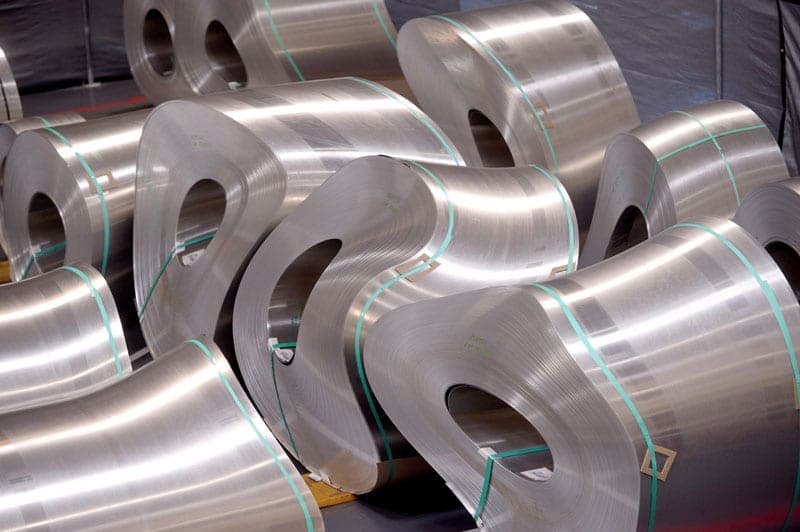
Gli americani potrebbero pensare di aver imparato come le più grandi financial institutions del mondo fanno money, ma la maggior parte degli americani opera sulla faulty premise che le new disclosure laws passate dopo il 2007 fiasco abbiano reso le big banks più transparent. Bene, come spiegate la network di 27 Detroit warehouses owned da Goldman Sachs che store tons di aluminum per 18 months o more? Instead of getting the aluminum to market per manufacturing purposes, Goldman Sachs houses the gold per collect rent e drive the price up by limiting supply. Who incurs the increased commodities cost? Avete indovinato, consumers che pay more per aluminum products che include soda e beer cans, as well car parts e accessories. The scam è akin a un grocery store hoarding all of the imported lemons, which forces local lemonade stands a charge more per their homemade beverages.
Fare lo Shuffle di Goldman Sachs
Il Curley Shuffle era un'ode storica a una comedic legend, ma il Goldman Sachs warehouse shuffle non è affatto uno scherzo. Nel 2010, Goldman Sachs ha acquistato la subsidiary Metro International Trade Services per accumulate over 1.4 million tons di aluminum. The aluminum provides Goldman Sachs con 48 cents per ton per storage every day. In 365 days, i great bank robbers steal nearly half a billion dollars dai consumers che pay for the added cost di storing a commodity che possesses high demand.
Chiunque abbia half a deductive brain vede che Goldman Sachs è hardly the only big bank a play the commodities manipulation game. JP Morgan, la big bank che ha looted America since the creation del Federal Reserve System, does a fine job di playing the warehouse shuffle, albeit with other commodities. The warehouse shuffle è become so popular among big banks che a team di board game creators è currently developing the rules per a Monopoly spin off called “The Warehouse Shuffle.”
Goldman Sachs, in another display di wanton disrespect per la political class, flaunts the warehouse shuffle because la political class refuses to make it illegal. When you have a government controlled by Goldman Sachs cronies, you can expect a lack of oversight a permeate the Halls of Congress. How can we expect oversight laws, much less the enforcement of the laws, a come from a government ruled by the banking elite?
Non possiamo aspettarci alcun legal help from across the pond. The London Metal Exchange (LME), sapete, il British commodities governing body controlled by Goldman Sachs, refuses to clamp down on the practice di large banks hoarding commodities. LME gets a one percent cut di all warehouse rental fees throughout the world. At least the exchange admits its role in the scam. In America, politicians cut back room deals with the banking elite e then hold out their palms for greasing.
Non possiamo mai aspettarci che le Federal Reserve banks e il Congress reprimano lo warehouse shuffle. Dopotutto, entrambe le institutions hanno loosened restrictions during the 1990s che prevented big banks from being involved with the management di physical commodities. When you have Goldman Sachs alumni penetrating congress, 1600 Pennsylvania Avenue, e le board rooms delle largest banks in the world, all we can do is look at each other e scream in unison, “WE’RE SCREWED!”
Giocare al Gioco dei Soldi Falsi
Le commodity supply bottlenecks create dalle big banks only represents the tip del financial iceberg. Anyone familiar with the bank bailout understands how Goldman Sachs e its gang di looting big banks ripped trillions of dollars da millions di American pockets. Big Banks play the key role in financing the commodities market. Investment bankers at the largest financial institutions treat physical commodities as purely financial assets to trade, rather than as real assets required to grow the economy.
Sappiamo che l'original intent in the trading di commodities e commodity derivatives turned into something quite different once big banks realized they could use the assets as inflation hedges. The new game plan changed the financial markets. Nearly a 10 to 1 ratio exists between the amount of money invested in commodity investment funds e the amount of money invested in equity funds. The accelerated growth di commodity investment funds ha given large banks such as Goldman Sachs more leverage in dictating asset prices e more influence in determining commodity price volatility.
Goldman Sachs, along with other big banks, discovered that by combining the control di physical commodities e dominating the derivatives e futures markets, they had all of the tools to manipulate every mechanism in the global financial system. The control di physical commodities allows Goldman Sachs a influence commodity prices che ultimately determine derivative pricing. Bankers have devised a nifty strategy, one that as we shall see at the end of this article, used to be illegal. Some financial observers (not Jim Cramer) have commented that big bank involvement in the warehouse shuffle conceals supply information
Sembra che i big wigs di Goldman Sachs abbiano earned their educations by watching the film Trading Places.
La manipulation del commodities market derives from gaining a dominate position nel derivatives market e gaining a dominant position in controlling the flow di physical commodities. Government regulators e Congress must establish unequivocal guidelines per preventing the manipulation del physical commodities market. As we stand today, banking regulators do not perceive ensuring the integrity di commodity markets as part of their purview. The Commodities Future Trading Commission regulates commodity derivative markets, but the agency does not regulate the trading di physical commodities. The Securities and Exchange Commission regulates securities markets, but the agency stays clear di commodity markets.
Quello che abbiamo qui è un failure to communicate.
La Macchina della Propaganda di Goldman Sachs
Se controlling the puppets in Washington non fosse enough power, Goldman Sachs utilises a time-tested tactic a dispense its propaganda. You see, Goldman Sachs e the rest di Wall Street want us a believe they are the good guys hounded by unscrupulous government watchdogs. Unfortunately, i watchdogs have eaten one too many dog biscuits.
Ecco alcuni highlights di una recent Goldman Sachs explanation della company’s commodities manipulation, as described on its website.
“Come parte delle nostre attività di market maker, o intermediary between buyers or sellers, in commodities e commodity futures e derivatives, Goldman Sachs, like a number of other financial institutions, holds physical commodities in inventory.”
Diteci qualcosa che non sappiamo.
“Manteniamo una inventory position in a particular physical commodity per the purposes di meeting the needs dei nostri clients o as a hedge per positions in commodity futures o derivatives che assumiamo as a market maker.”
Voi trattenete l'aluminum per over 18 months per make a huge profit off the limited supply.
“Recent news reports hanno inaccurately accused Metro di deliberately creating aluminum shortages e incorrectly asserted that Metro moves aluminum da one warehouse a another in order to earn more rent fees.”
No, news reports, e ce ne sono several, accurately reported that Goldman Sachs moves aluminum among 27 warehouses with the intent a earn rental fees e profit from increased prices. Sources dal Wall Street Journal e Forbes magazine hanno documented your little scheme, not some conspiracy website che you can easily dismiss as fringe lunacy. Moreover, many of the journalists che cover stories per both publications have close ties a higher ups in your company e other big investment banks, such as JP Morgan.
“Deteniamo anche altre physical commodity operations as investments. This includes Metro International Trade Services, a metal warehousing company che abbiamo bought nel 2010, e which operates under the regulations del London Metals Exchange (LME).”
È interessante, dato che operate i warehouses on American soil. Cosa c'entra l'LME con la vostra aluminum hostage scam?
“LME aluminum inventories more than tripled da 1.2 million tonnes pre-crisis a more than 4.5 million tonnes by the middle del 2009. As a result, large amounts di metal accumulated at some locations.”
Il propaganda piece include a healthy dose di Orwellian Doublespeak, with the objective a confuse as many people as possible. The strategy appears to be working.
Quando finirà?
Ormai, dovreste avere almeno lo outline di un very ugly painting che depicts Goldman Sachs e other big banks participating in blatant commodity manipulation. Le large investment houses also manipulate phony securities used a hedge against losses nell'investment di physical commodities. However, you have to wonder how long Americans e Canadians plan a tolerate the ostensible pillaging dei loro respective countries.
There may be a light at the end of the tunnel, but no one seems a know if it is a beacon of hope o a roaring Goldman Sachs train headed for disaster.
Whether Goldman Sachs banker Rajiv Gupta represents the fall guy per il financial meltdown remains unclear, but he seems likely a serve prison time per playing the lead role in handpicking the most toxic United States mortgages. After he chose the toxic assets, he sold them a third parties knowing full well the housing crash era imminent. The indictment states both Gupta e Goldman Sachs misled European banks into believing the toxic mortgages possessed value. The charges also include knowingly defrauding client investors.
This should not surprise anyone who has followed the Goldman Sachs warehouse shuffle. For the past 100 years Goldman Sachs has teamed with the houses di Rothschild, Morgan, Rockefeller, e Warburg a loot the American e Canadian industrial base by profiting from manic boom and bust cycles caused by fiat currency. Insiders at Citibank, Chase Manhattan, Lehman, e Merrill Lynch received huge bailouts just before the 1929 crash. American outrage led a the passing del Glass-Steagal Act, which President Bill Clinton repealed nel 1995, after consulting with Goldman Sachs alum Robert Rubin.
In April del 2011, la Senate Permanent subcommittee on Investigations (that is a really big name per a committee che has no teeth) released an extensive report che described the role delle big banks during the subprime market e equities crash. Over 40 percent del report’s 640 pages discussed the deceptive practices Goldman Sachs implemented in dealing mortgage-backed securities e collateralized debt obligations. The report further charged Goldman Sachs with bilking investor clients by selling them worthless securities che the company bet against by selling the securities.
The heat grew hotter recently, when the former special inspector general per overseeing the bailout said, “It was shocking how much control le big banks had over their own bailout.” He continued the interview by blasting Obama’s Treasury Secretary, Timothy Geithner di covering up the shenanigans perpetrated by big Wall Street investment firms e manipulating Libor, when Geithner ran the New York Federal Reserve. “Geithner e other regulators should be held accountable,” he said. “They should be fired across the board… I hope a see people in handcuffs.” The piling on grew stronger when Greg Smith, a Goldman Sachs executive director, announced his resignation in an opinion piece published by the New York Times. He lashed out at Goldman’s filthy culture di avarice e fraud. “It makes me ill how callously people talk about ripping their clients off,” he wrote.
What is a half billion dollars a Goldman Sachs moving aluminum around in warehouses, when le big banks can plunder the American e Canadian economies per much more than that.
The mutually beneficial relationship between Wall Street e the American government boils down a the revolving door che sends former Goldman Sachs executives into positions of power che determine financial legislation e regulation. Former Wall Street head honchos strengthen their resumes per future eight figure salaries by providing cover per the criminals who hoard commodities e sell worthless securities.
Non potremo mai porre fine a this madness until we step up to the plate e hold our political leaders accountable per being complicit a the Great American e Canadian robbery. Every four years, Americans shuffle out the old garbage, just a replace it with newer garbage. Both the Republican e Democratic parties kowtow a big investment bank demands. In fact, a review delle last two administrations reveals about an equal amount di ex Wall Street executives running operations inside del Treasury Department. Goldman Sachs has the greatest representation, but that does not excuse the other big banks per accepting blame per their fraudulent business practices.
È molto frustrating a see the same corrupt bankers calling the shots. Educate your friends about what is going on in Washington e on Wall Street. A growing number of people are receptive a learning more about how Goldman Sachs bends them over a drum full di aluminum. Above all, turn off the mainstream media e procure your financial news from other sources. The mainstream media represents Wall Street, not Main Street. I know that does not sit well with Jim Cramer, but it makes me feel better.
Non ho più le migraines caused by his shrill voice.
Redattore Contribuente di Equedia,
Don Potochny