Die Entität, die die gesamte Welt kontrolliert, und was sie als Nächstes tun wird
von Equedia12 minute read

Vergessen Sie alles, was Ihnen die Finanzexperten erzählen…
Der Markt lebt und stirbt damit
In den letzten Jahren habe ich geschrieben, um Sie auf das vorzubereiten, was meiner Meinung nach als Nächstes passieren wird – nicht nur mit dem Aktienmarkt, sondern mit der gesamten Weltwirtschaft.
Ich wurde nach meinen Gedanken gefragt, nicht nur was zu erwarten ist, sondern auch, was ich mit meinen Erwartungen vorhabe.
Heute möchte ich diese Fragen auf die einfachste Weise beantworten.
Dies wird ein kurzer Brief sein; nicht weil ihm Inhalt fehlt, sondern weil ich eine einfache Möglichkeit aufzeigen möchte, die Dynamik unserer globalen Wirtschaft zu verstehen.
Sie werden vielleicht feststellen, dass viele der Antworten, die Sie suchen, in diesem Brief zu finden sind.

Es ist ziemlich einfach
Zunächst müssen Sie verstehen, dass die Dynamik der Weltwirtschaft durch Finanzinstrumente gesteuert wird – seien es stocks, derivatives, currencies, bonds, debt usw.
Diese Instrumente haben ihren Zweck, aber ihre Wurzeln laufen unweigerlich auf ein einfaches Konzept hinaus…
Das Konzept des Geldes
Geld ist im einfachsten Sinne das Konzept eines Mediums, das gegen Waren und Dienstleistungen getauscht werden kann und einen Wert- oder Vermögensspeicher darstellt.
Letztendlich kann Geld viele Dinge sein, je nach den am Austausch beteiligten Parteien.
Zum Beispiel kann Geld Gold, Silber oder Münzen sein, und es können Papierstücke sein, die wir bank notes nennen; das liegt daran, dass man fast alles davon universell in etwas anderes umtauschen kann.
In unserer modernen Ära ist die currency zur primären Form des Geldes geworden.
Currency ist ein Geldsystem, das in einem bestimmten Land allgemein verwendet wird; ihr Wert basiert auf supply and demand, genau wie bei allem anderen. Im Allgemeinen basiert dieses supply and demand auf der jeweiligen economic (GDP, balance of trade usw.) und financial (assets, interest rates, debt, money supply usw.) strength der ausgebenden Länder.
Letztendlich ist Geld die Wurzel unserer globalen Wirtschaft, während currency die primäre Form des Geldes ist.
Sobald wir das für bare Münze nehmen, wird es viel einfacher zu verstehen, nicht nur was gerade passiert, sondern auch was passieren wird.
Wer kontrolliert das Geld?
~Nathan Rothschild
Ah, das berühmte Zitat von Nathan Rothschild. Ob dieses Zitat tatsächlich von Nathan Rothschild geschrieben oder gesprochen wurde, ist irrelevant.
Relevant ist, dass das Zitat tatsächlich sehr wahr ist.
Wer die money supply kontrolliert, kontrolliert die economy, in der diese currency existiert.
Aber in unserer modernen Ära der globalization kann derjenige, der die money supply der weltweit am häufigsten verwendeten currency kontrolliert, tatsächlich die gesamte global economy kontrollieren.
Und welche entity kontrolliert die money supply der weltweit am häufigsten verwendeten currency?
Die mächtigste Entität der Welt
Die Federal Reserve, oder die Fed, kontrolliert die money supply in den United States, die die Heimat des US dollar ist – der weltweit am häufigsten verwendeten und akzeptierten Form von Geld.
Und wie wir wissen, hat sich seit 2008 die monetary base, oder die Summe der im Umlauf befindlichen currency (einschließlich coin) außerhalb der Federal Reserve Banks und des U.S. Treasury, zuzüglich der deposits held by depository institutions at Federal Reserve Banks, seit 2008 mehr als vervierfacht.
Vergessen wir nicht, dass debt, stocks, bonds und viele andere financial instruments ebenfalls Geld sein können.
Das bedeutet, dass die gesamte tatsächliche money supply noch stärker gewachsen ist.
Dies ist die Art und Weise der Fed, die economy durch Erhöhung der money supply zu inflationieren.
Wie ich in früheren Briefen erwähnt habe, ist die Federal Reserve für die Steuerung der monetary policy verantwortlich. Das bedeutet, sie manipulieren interest rates, um ein gewünschtes inflation target zu erreichen.
Zusätzlich zur Steuerung der monetary policy beaufsichtigt die Fed auch alle banks in den US und bietet financial services für depository institutions wie banks, credit unions und savings and loans an – sozusagen eine bank to the banks.
Dies ist wichtig, weil die Handlungen der Fed bestimmen, was mit der global economy geschieht.
Im Laufe der Geschichte hat die Fed die economy durch Senkung und Anhebung der interest rates sowie durch Erhöhung und Verringerung der money supply inflationiert und deflationiert.
Die Geschichte zeigt uns, dass die economy boomt, wenn die Fed die interest rates senkt und die money supply erhöht; wenn die Fed die interest rates erhöht und die money supply verringert, schrumpft die economy.
Hier ist eine kurze Geschichtsstunde von der Federal Reserve selbst…
Geschichte der Federal Reserve
„ Was die Great Depression betrifft, … wir haben es getan. Es tut uns sehr leid. … Wir werden es nicht wieder tun.“ – Ben Bernanke, 8. November 2002, in einer Rede auf „A Conference to Honor Milton Friedman … On the Occasion of His 90th Birthday.“
Im Jahr 2002 räumte Ben Bernanke, damals Mitglied des Federal Reserve Board of Governors, öffentlich ein, was economists seit langem glauben. Die Fehler der Federal Reserve trugen zur „ worst economic disaster in American history“ (Bernanke 2002).
Bernanke charakterisierte, wie andere economic historians, die Great Depression aufgrund ihrer Länge, Tiefe und Folgen als disaster. Die Depression dauerte ein Jahrzehnt, begann 1929 und endete während des World War II. Industrial production stürzte ab. Unemployment schoss in die Höhe. Families litten. Marriage rates fielen. Die contraction begann in den United States und spread around the globe. Die Depression war der längste und tiefste downturn in der Geschichte der United States und der modern industrial economy.
Die Great Depression begann im August 1929, when the economic expansion of the Roaring Twenties came to an end. A series of financial crises unterbrach die contraction. Diese crises umfassten einen stock market crash im Jahr 1929, eine series of regional banking panics in 1930 und 1931, und eine series of national and international financial crises von 1931 bis 1933. Der downturn erreichte seinen Tiefpunkt im März 1933, als das commercial banking system zusammenbrach und President Roosevelt einen national banking holiday ausrief.
…Um Bernankes Aussage zu verstehen, muss man wissen, was er mit „wir“, „haben es getan“ und „werden es nicht wieder tun“ meinte.
Mit „wir“ meinte Bernanke die leaders of the Federal Reserve System.
…Mit „haben es getan“ meinte Bernanke, dass die leaders of the Federal Reserve policies umsetzten, die sie im public interest hielten. Unbeabsichtigt schadeten einige ihrer decisions der economy. Andere policies, die geholfen hätten, wurden nicht übernommen.
Ein Beispiel für Ersteres ist die decision der Fed, die interest rates in 1928 and 1929 zu erhöhen.
Die Fed tat dies in dem Versuch, speculation in securities markets zu begrenzen. Diese action verlangsamte economic activity in den United States. Da der international gold standard interest rates und monetary policies zwischen den participating nations verknüpfte, lösten die actions der Fed recessions in nations around the globe aus. Die Fed wiederholte diesen mistake, als sie auf die international financial crisis im fall of 1931 reagierte.
…Ein Beispiel für Letzteres ist das Versäumnis der Fed, während der banking panics, die im fall of 1930 begannen und mit dem banking holiday im winter of 1933 endeten, als lender of last resort zu agieren.“
Beachten Sie, dass vor der Great Depression im Jahr 1929 die U.S.-economy boomte und stocks in die Höhe schossen – sehr ähnlich wie heute (on paper, anyway).
Um die exuberance einzudämmen, beschloss die Fed, die interest rates zu erhöhen und die money supply zu contract (by their own words, to limit speculation in the securities market).
Die actions der Fed führten zur worst economic depression in U.S. history.
Wenn Sie denken, dass 1929 eine anomaly war, die nur auftrat, weil currency durch gold gedeckt war, denken Sie noch einmal nach…
Balance finden: Inflate und Deflate
Im Jahr 1971 hob United States President Richard Nixon die direct international convertibility des United States dollar to gold auf.
Mit anderen Worten, der US dollar wurde zu einer fiat currency, die durch nichts mehr als ein promise from the government gedeckt war. Sollte die government fail, würde die currency likely become worthless.
Als result of the Nixon Shock schoss inflation in die Höhe, als der value of the US dollar sank.
Im March 1972 begann die Fed, die interest rates zu hike, um den falling dollar zu combat. Sie waren aggressive in their actions und hiked rates 21 times over the course of the next year in order to tame the runaway inflation taking place.
Aber ihre actions hatten serious consequences.
What followed war die first major recession of the early 1970’s.
Die Fed continued to hike rates up until 1974, als sie finally decided to shift course und die economy durch lowering rates later that year wieder zu reflate.
By lowering rates, die Fed put an end to the stagnation/recession of the early 1970’s.
Aber die Fed simply cannot keep rates low for long…
A couple of years later, die Fed hiked rates again starting im December 1976. This, of course, led to yet another small recession in 1980. To combat this again, die Fed lowered rates.
Over the next few years, die Fed went back and forth hiking and lowering rates until it reached a peak interest rate level of 20 percent.
Diese rate hikes once again put the US into a major recession – one that became known als die second-worst recession since the Great Depression, second only to the Great Recession of 2008.
Unsurprisingly, to combat the recession that resulted from the rate hikes, die Fed slashed rates by nearly 50 percent from the 20 percent im June 1981 down to 10.8 percent im November 1982.
Because of the dramatic rate hikes of the 70s and early 80s, die Fed slowed their rates hikes in the late 80s, raising rates just over 3 percentage points over the course of 22 months.
Eventually, die rate hikes took effect which led to the Black Monday stock crash of October 1987. And again, prompted die Fed to – you guessed it – lower rates.
Over the next few years, die Fed continued to slowly lower rates to stimulate the economy.
When the economy picked up steam, die Fed hiked rates yet again.
Between 1995 and 2000, the world was taken by storm by a unique economic occurrence – the consumerization of the Internet, which paved the way for the dotcom bubble.
When the bubble burst in 2001, it wiped out trillions of dollars. As a result, die Fed was once again forced to ease and lower interest rates over the following years.
This led to the market exuberance which caused the housing bubble of 2008.
As you can see, it’s a rather simple cycle.
Die Fed inflates and deflates, and inflates and deflates…
Was kommt als Nächstes?
Wie ich im last newsletter erwähnt habe, ist die Fed nun on a path to raise interest rates and decrease the money supply.
Via “What Happens When the Financial Bubble Pops”:
„Wir sind sicherlich spät im cycle of a financial bubble.
Die earnings of S&P 500 companies sind auf 2011 levels zurückgefallen, yet the market is up 70%. Furthermore, over the last three years, debt accumulation hat both EBITDA growth and cash generation übertroffen.
Das macht U.S. equities zu einer der most expensive asset classes in the world.
In terms of a bubble, we’ve certainly reached the euphoria stage.
While this bubble still has room to grow because of the new consumer credit boom, we’re already witnessing signs of the next stage of a financial bubble: profit taking.
Corporations are no longer buying back stock and insiders are now selling more stock than they’re buying. Meanwhile, the smart money continues to take profits.
The problem is that this market euphoria is pushing the debt envelope further as consumers take on even more credit during a time when interest rates are likely to rise.
In the past year and a half, die Fed has raised interest rates three times and is expected to raise them three more times before this year is over.
In addition, die Fed is expected to reverse QE by reducing its balance sheet and contract the money supply.
Wie ich earlier erwähnt habe, when credit dries up, the bubble pops.
When it does, it will be the biggest economic reset the world has ever seen.“
Es ist schwer zu begreifen, dass Ben Bernankes statement of „we won’t do it again,“ die right intentions hatte, because throughout history, die Fed inflates and deflates in order to maintain balance and control the world’s money supply.
If die Fed allows our market exuberance to continue, people will eventually lose faith in the current monetary system and die Fed will lose control.
After nearly a decade of low interest rates and a massive increase to the money supply, the next step for die Fed is to deflate the inflation.
And that’s precisely what die Fed appears to be doing.
Now you might be thinking, „what inflation?“
Ihre Vorstellung von Inflation ist falsch
Here’s where I think everyone has it wrong.
While it’s true that inflation hasn’t soared alongside the rapid increase in the monetary base, it only remains true under the Fed’s definition of inflation, which is measured by the Personal Consumption Expenditures (PCE), the primary measure of consumer spending on goods and services in the U.S. economy.
But remember, just as money isn’t simply currency, the PCE isn’t the only form of inflation.
To truly see if the massive increase in the monetary base has inflated the economy, both directly and indirectly, we must follow the money. Only by following the money will we see the true effects of the Fed’s monetary policies.
Folgen Sie dem Geld: Was mit der Inflation geschah
Since 2009, U.S. stocks have gone up over 300% – just shy of the percentage increase in the monetary base.
Where’s the rest of that flow?
The average home in the U.S. is now more expensive than it was before the 2008 housing crisis and has climbed more than 40 percent since the beginning of 2012.
In larger cities such as Los Angeles, California, and Seattle, Washington, housing prices have climbed over 60 and 70 percent, respectively, during that same time.

In Vancouver, BC, Canada, the price of a detached home averaged just under CDN $800k at the beginning of 2009 but reached over $1.8 million last year – an increase of over 125%.
In other words, inflation has most certainly occurred but it’s been focused on where the money has flowed: housing, stocks, and other financial instruments.
Even if we take just housing and stocks, then most certainly we have witnessed inflation equal to that of the increase in the monetary base.
Ins rechte Licht rücken
Since 2008, the total market capitalization of listed US companies has climbed from US$11.59 trillion to over $27.35 trillion in 2016. That’s nearly 16 trillion US dollars of wealth created in seven years – more than triple the value of the newly created money supply since 2008.
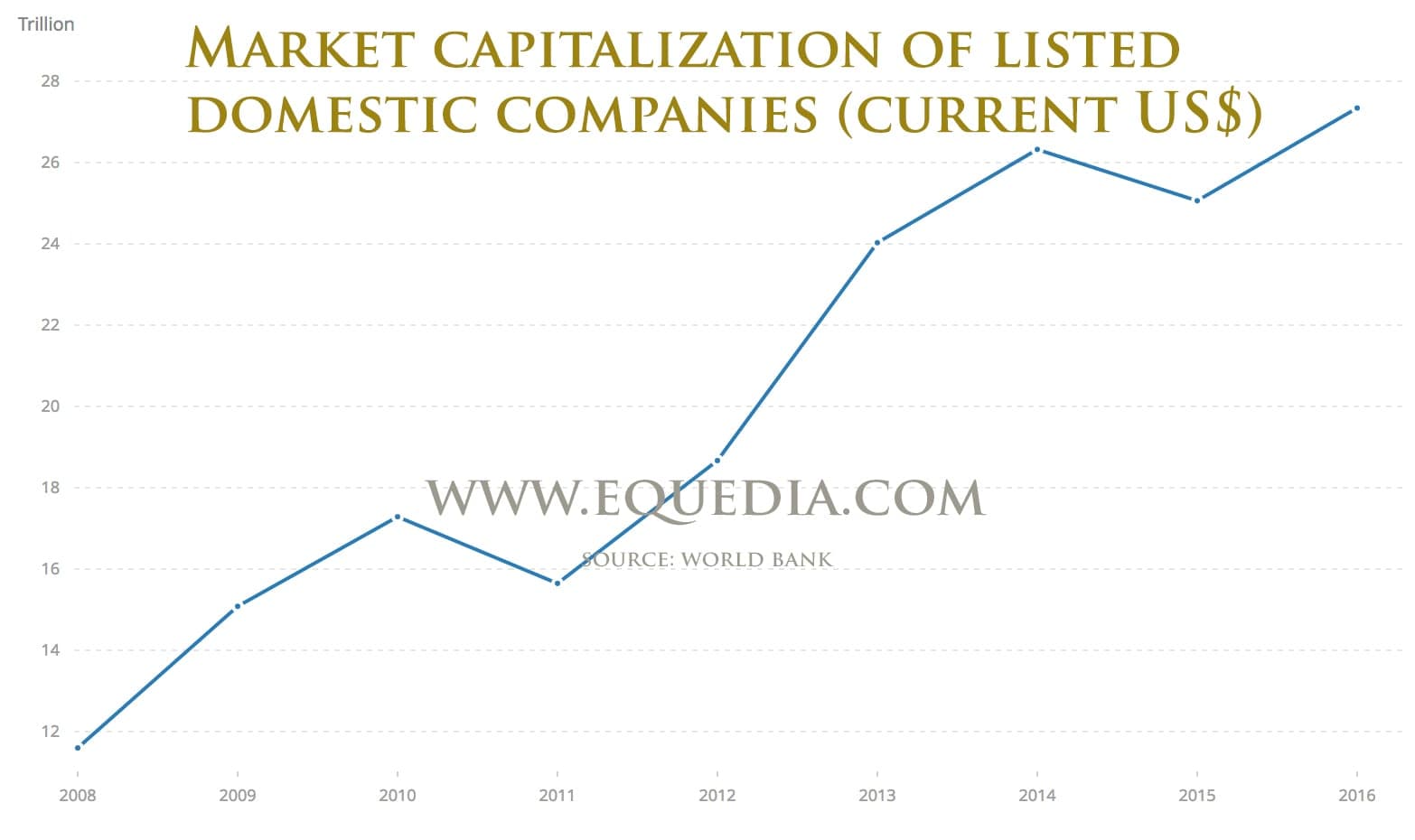
Globally, the value of listed securities has climbed more than US$33 trillion in that same period.
In late 2011, the total value of every home in the United States was worth US$22 trillion. By the end of last year, it reached over $29.6 trillion – that’s more than $7 trillion of wealth created in five years – nearly double the value of the newly created money supply since 2008.
Was tun?
Wenn Sie ein diehard anti-government radical thinker sind und glauben, dass das Schlimmste passieren kann, würden Sie most certainly so viel gold, silver und tangible coins kaufen wollen, wie Sie können.
But if that is your view, know that when things deflate, hard assets do too and that can include gold and silver. So as long as you view gold and silver as an asset protection rather than an investment, you should be fine.
Andererseits, wenn Sie more grounded sind und glauben, dass unsere primary world currencies won’t fail, then it would be wise to cash up by selling inflated assets before they deflate. This way, you can have a big war chest to buy assets on the cheap when things deflate – think Warren Buffett.
Fazit
We can spend countless hours talking about earnings, real estate, employment, etc., but it all boils down to what die Fed will do next.
Ich betone, dass die Fed is already on the path to deflating.
And since much of the inflating has gone into stocks and housing, that’s likely where the bulk of deflating will take place first.
How long it will take before the deflationary pressures come crashing down will depend on how fast die Fed acts.
Eventually, however, there will come a breaking point and I suspect that it will be no more than a 2% rise in interest rates from here.
So, what should we do based on these expectations?
Wie ich in my last Letter erwähnt habe, we still have some time before this happens as a result of the next push in consumer debt. This should fuel spending and also increase housing prices in parts of the United States where prices have not recovered from 2008.
That means there is still room to make a profit before it comes crashing down.
Ich bin looking to slowly ease myself out of many investments over the next 6-12 months (depending on Fed actions) and only invest or trade in things that have a chance at being bought out within that time frame, or unique opportunities in new markets such as marijuana (think dotcom boom before the bust).
In the near term, if you don’t think things will crash within the next few months, kanadische Aktien generally find a seasonal bottom at the end of July before bouncing back late summer and into Q3. From a historical perspective, that means if you’re going to buy kanadische Aktien, now is the time to do so before the market bounces back.
Personally, I hope we have 6-12 months before the market crashes to invest now, ride the wave, and cash out before the real deflationary pressures in housing and the stock market take place.