US Rooftop Solar Generation Climbs Over a Decade
EIA's rooftop solar estimates test how much demand becomes utility sales, while its generation forecast leaves gas-fired output almost flat next year.
 by Graham Ellery3 min read
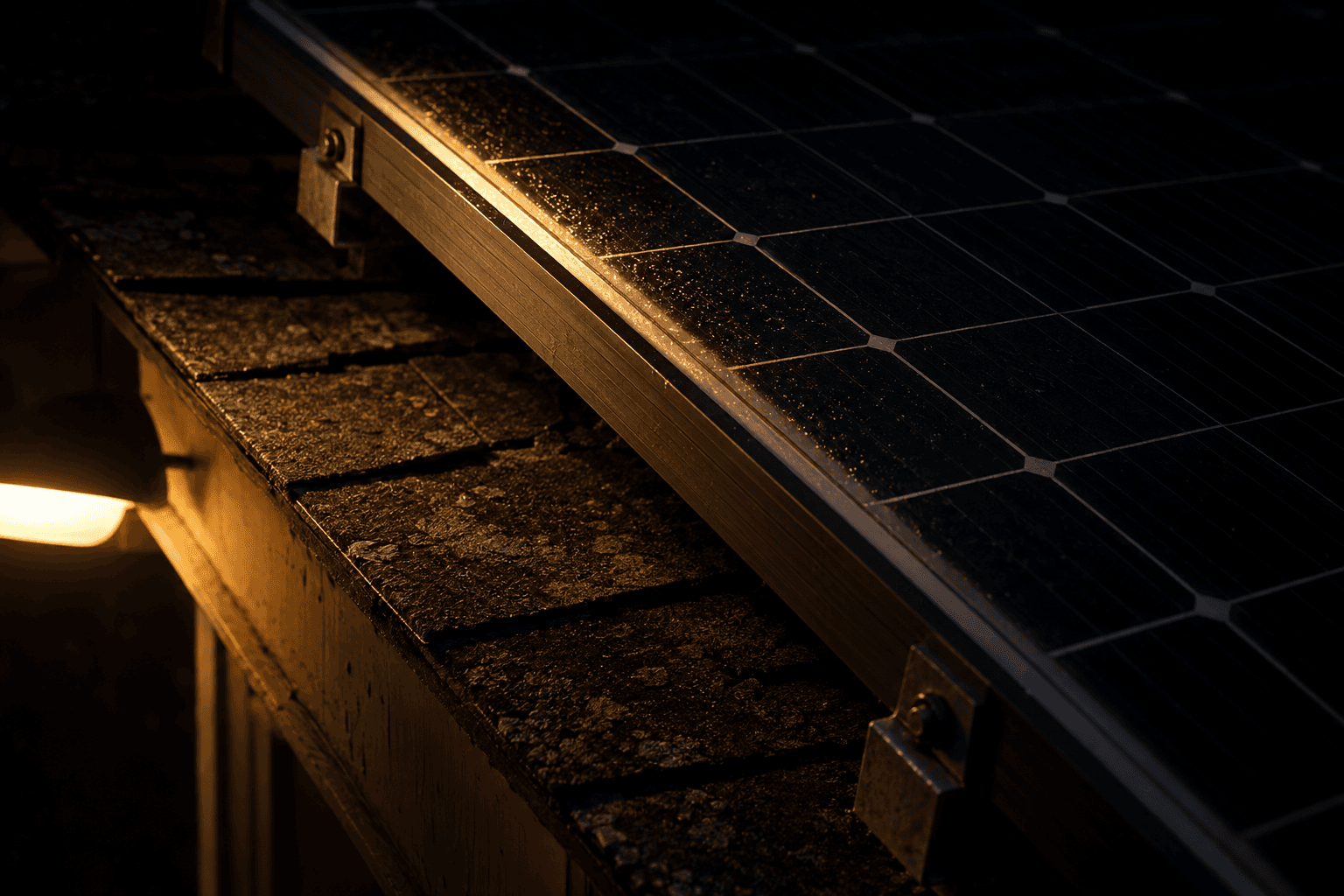
The EIA's October 16 analysis reports a decade-long quadrupling of U.S. small-scale solar generation, reaching an estimated 92,979 gigawatthours in 2025. Its published endpoints actually imply nearly five times the starting output. These are systems smaller than a megawatt, including rooftop panels. For your utility and gas holdings, the growth changes how much customer demand grid suppliers can expect to serve.
The exposure is local. California produced 37% of U.S. small-scale solar electricity in 2025, the October 16 report says. When customers use their own rooftop output, they need fewer purchased kilowatthours for the same consumption. We would judge a utility's sales forecast against both new demand and customer generation in its service territory. Before translating that into an earnings estimate, we would need the utility's tariff and spending plan. A national solar total cannot settle what a particular utility earns.
Both rooftop generation and utility sales can keep growing. EIA's October 6 electricity industry overview forecasts higher retail electricity sales next year alongside more small-scale solar output. Its electricity outlook expects commercial demand, including data centers, to keep expanding. We see room for utilities to gain new load while some customers supply more of their own electricity. If you own utilities for demand growth, the useful test is how much of that growth becomes billed sales in their territories.
For gas-fired generators, EIA's October 6 outlook projects natural gas's share of U.S. electricity generation easing from 40% this year to 39% in 2027. Its generation table puts gas-fired power-sector output slightly lower next year even as total generation rises. The forecast also includes substantial utility-scale solar growth, a separate category from rooftop systems. We cannot assign that gas change to rooftop panels alone. As we wrote in US Industrial Output Rises as Utilities Lead, higher utility output still needs a fuel-specific check before we raise expected gas sales.
The rooftop figures also carry an estimation limit. The October 16 analysis says utilities do not necessarily know how much these systems generate, so EIA models output using capacity data and assumptions about panel orientation. We can use the release to challenge a forecast that gives grid suppliers every extra kilowatthour of customer demand. It cannot calculate a particular gas plant's lost generation or a utility's lost sales. For those holdings, we still need operating evidence from the assets you own.
Next, we will check the October 23 Electric Power Monthly for rooftop estimates, retail sales and gas-fired output, then the November 10 outlook for whether EIA still expects growing generation alongside nearly flat gas-fired output.
Seek the truth and be prepared,
Equedia News
Sources
- U.S. Energy Information Administration, U.S. small-scale solar generation has quadrupled in the last decade, October 16, 2026
- U.S. Energy Information Administration, Short-Term Energy Outlook Table 7a: U.S. Electricity Industry Overview, October 6, 2026
- U.S. Energy Information Administration, Electricity, Coal, and Renewables, October 6, 2026
- U.S. Energy Information Administration, Short-Term Energy Outlook, October 6, 2026, next release November 10
- U.S. Energy Information Administration, Short-Term Energy Outlook Table 7d: U.S. Regional Electricity Generation, Electric Power Sector, October 6, 2026
- U.S. Energy Information Administration, Electric Power Monthly, September 24, 2026, next release October 23
- Equedia News, US Industrial Output Rises as Utilities Lead, October 16, 2026
Disclaimer: This letter is for informational and educational purposes only and does not constitute investment advice. Past predictions and performance are not indicative of future results. Please see our full terms of use and disclaimer at equedia.com.