EIA Forecasts Higher Heating Oil Bills, Lower Gas Bills
EIA expects heating oil bills to jump as gas bills ease. The split rests on distillate stocks, gas storage and a winter weather forecast.
 by Graham Ellery3 min read
The U.S. Energy Information Administration's Winter Fuels Outlook, published October 6, 2026, forecasts lower winter energy spending for homes heated mainly by natural gas or propane and higher spending for homes heated mainly by electricity or heating oil. The sharpest shift is heating oil: a 21% increase in spending from last winter, driven by higher global crude and distillate prices. Roughly half of U.S. homes use gas or propane as their main heating fuel. What do lower gas bills actually tell you about a gas position?
Gas bills are set to fall mainly because EIA expects lower gas costs and similar or warmer weather across the South, Midwest and Northeast. The West is the exception: colder weather should nudge gas bills up despite cheaper gas. EIA's October 6 natural gas forecast expects 3,850 billion cubic feet in storage at the end of October, 2% above the five-year average at the start of the November heating season. We read that cushion as a limit on immediate gas price pressure, though EIA says prolonged cold could pull more out of storage than forecast. EIA also expects LNG exports to average 17.6 billion cubic feet a day in 2026, so household bills alone cannot settle the case for a gas producer.
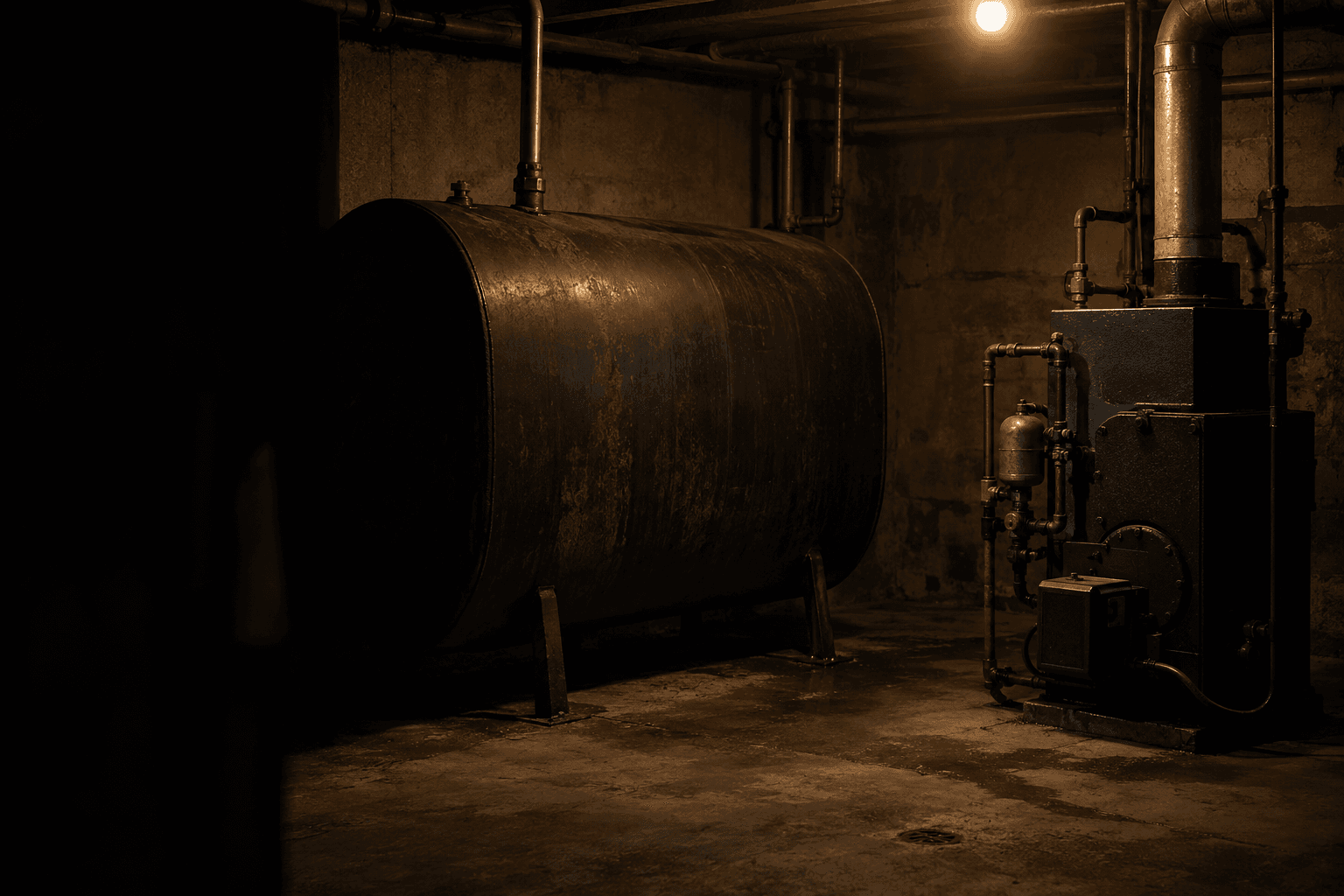
Oil heat is a smaller but sharper signal. EIA says roughly 3% of homes heat mainly with oil, and its spending forecast comes from the crude and distillate side of the market. In its October 6 petroleum products forecast, EIA expects U.S. distillate inventories to stay below their five-year average throughout the forecast period, even as distillate refining spreads ease from current levels. The East Coast uses more distillate than it refines locally, and imports usually peak between December and February, the same report says. If you own refiners or oil producers, we will check product stocks alongside crude costs; a higher home heating bill alone cannot tell us which business captures the difference.
Propane gives a third direction: EIA projects 3% lower spending for homes that use it. Electricity goes the other way: the winter report forecasts 4% more spending, with residential power prices up 3%. EIA's October 6 electricity outlook explains why falling gas costs do not guarantee cheaper electricity: household tariffs include transmission, distribution and capacity costs. In the West, colder weather helps drive a projected 9% increase in electricity spending, according to the winter outlook. We would treat these as household cost forecasts, rather than forecasts of every fuel producer's or utility's profits.
The weather assumption holds the trade together. EIA expects national temperatures near last winter's level but a warmer Northeast and much colder West, so one U.S. average hides different heating bills. The distillate squeeze we followed in The Crude Build Hides a Fuel Squeeze becomes a practical test for an oil position as winter deliveries approach. For gas exposure, the test is whether that projected storage cushion survives sustained cold; for heating oil, it is whether distillate inventories recover fast enough to ease the price pressure EIA sees. We would wait for the stock reports before adding to either exposure.
We will check distillate stocks in the October 7 EIA petroleum report and revised winter fuel and gas storage forecasts in the November 10 STEO update.
Seek the truth and be prepared,
Equedia News
Sources
- U.S. Energy Information Administration, Winter Fuels Outlook, October 6, 2026
- U.S. Energy Information Administration, Natural gas forecast, October 6, 2026
- U.S. Energy Information Administration, Petroleum products forecast, October 6, 2026
- U.S. Energy Information Administration, Electricity forecast, October 6, 2026
- U.S. Energy Information Administration, Weekly Petroleum Status Report, next release October 7, 2026
- The Equedia Letter, The Crude Build Hides a Fuel Squeeze
Disclaimer: This letter is for informational and educational purposes only and does not constitute investment advice. Past predictions and performance are not indicative of future results. Please see our full terms of use and disclaimer at equedia.com.