Brent Prices Fall After OPEC+ Holds Targets
Brent falls to around US$110 as traders weigh Iran talks. We test what cheaper crude could change for producers' cash flow and miners' fuel bills.
 by Graham Ellery3 min read
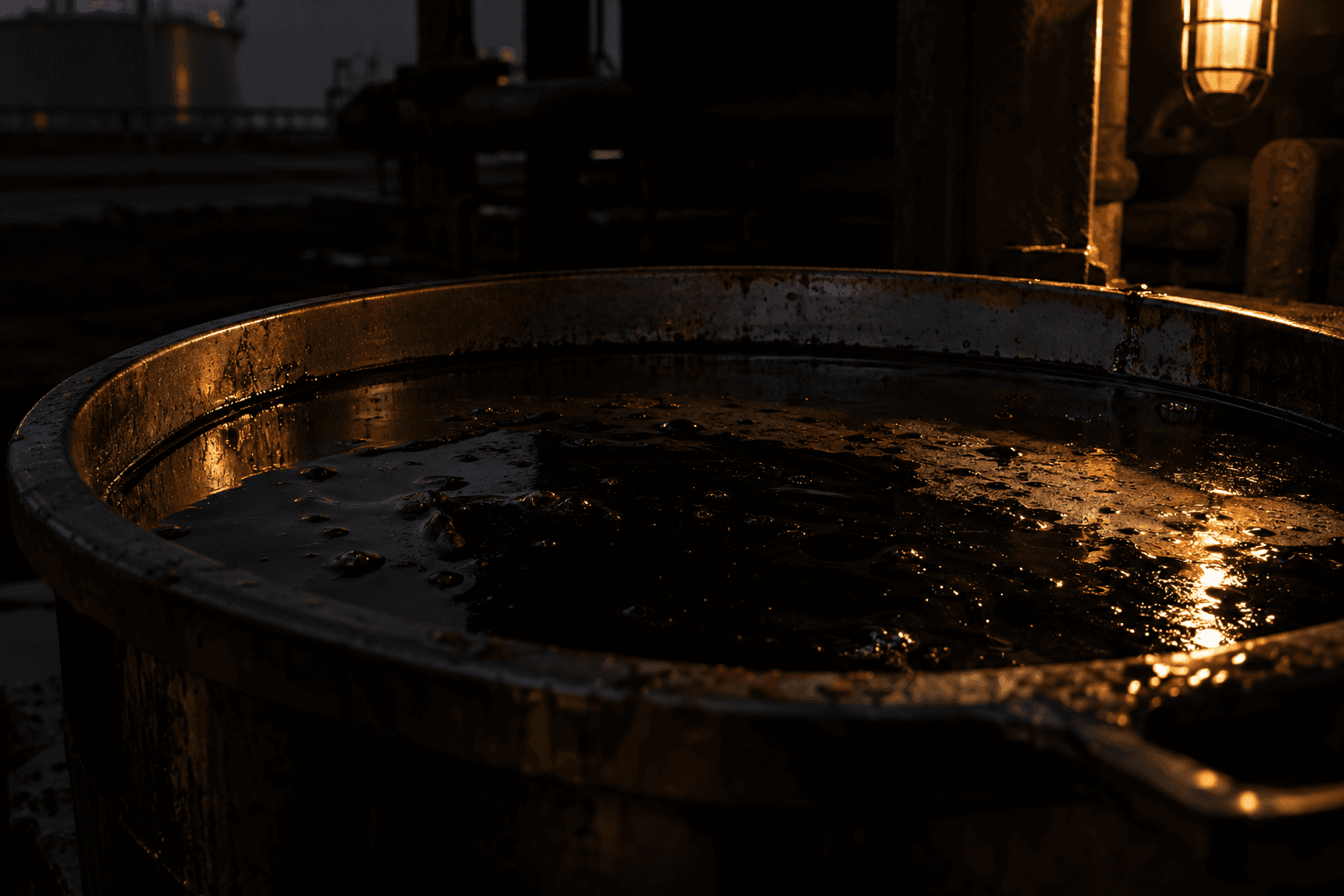
Brent crude futures fell 3% to US$110 a barrel by 07:12 GMT on Monday, according to Reuters. Its November 2, 2026 report linked the decline to optimism over Qatari-led talks aimed at ending the US-Israeli war on Iran. The price fell after OPEC+ left December production targets unchanged.
The OPEC statement dated November 1 says the participating countries maintained September's required production for December. That decision establishes a target, without establishing how much oil will reach buyers. Monday's decline gives us a fresh price against which to test an investment built on expensive oil. The comparison also needs the same contract: Reuters' October 30 report put the January Brent contract's Friday settlement at US$113.43. The expired December contract is a different reference.
For your oil producers, a lower selling price would reduce revenue on unhedged barrels if volumes stayed unchanged. We would therefore test the cash-flow forecast behind a holding against a sustained decline, especially where that forecast supports both capital spending and shareholder payments. Monday's quote supplies a reason to run that calculation; it cannot tell us the average price a producer will realize next quarter. Hedges, the price received relative to Brent and the cost of producing each barrel still belong in your estimate.
For your miners, cheaper crude could help through lower fuel bills, provided the decline reaches the diesel they buy. Even US retail diesel includes federal and state charges, as the EIA's fuel-tax explanation, with rates dated January 2026, documents. That retail bill is no substitute for a mine's own supply terms. We would keep a miner's delivered fuel assumption tied to its contracts and supplier quotes before increasing expected margins, the same distinction we drew in US Crude and Distillate Stocks Fall. A falling benchmark creates the possibility of savings, while the operation's actual purchases determine whether those savings arrive.
Can we now assume that diplomatic progress will make those lower costs last? The report describes talks aimed at a deal, which leaves both an agreement and its implementation uncertain. We would favour holdings whose spending plans remain affordable across a range of oil prices. For a producer, that means checking how much cash remains after investment if selling prices weaken. For a miner, it means keeping any hoped-for fuel saving out of the base case until there is evidence in the purchasing bill. Neither calculation needs a prediction about the next diplomatic headline.
We will watch diplomatic developments around the November 3 US midterm elections, identified in Reuters' report, then the participating OPEC+ countries' next review on November 29, dated in their statement.
Seek the truth and be prepared,
Equedia News
Sources
-
Reuters, Oil jumps 2%, settles at 6-month highs on fears of escalation in Iran, October 30, 2026
-
US Energy Information Administration, How much tax do we pay on a gallon of gasoline and on a gallon of diesel fuel?, rates as of January 2026; consulted November 2, 2026
-
Equedia News, US Crude and Distillate Stocks Fall, October 28, 2026
Disclaimer: This letter is for informational and educational purposes only and does not constitute investment advice. Past predictions and performance are not indicative of future results. Please see our full terms of use and disclaimer at equedia.com.