Tudor Gold Estimates Goldstorm Build at US$1.54 Billion
Goldstorm's first economic study estimates US$1.54 billion upfront. For Tudor Gold stock holders, the Nov. 24 gold bid was below the study's base case.
 by Corinne Ashdown3 min read
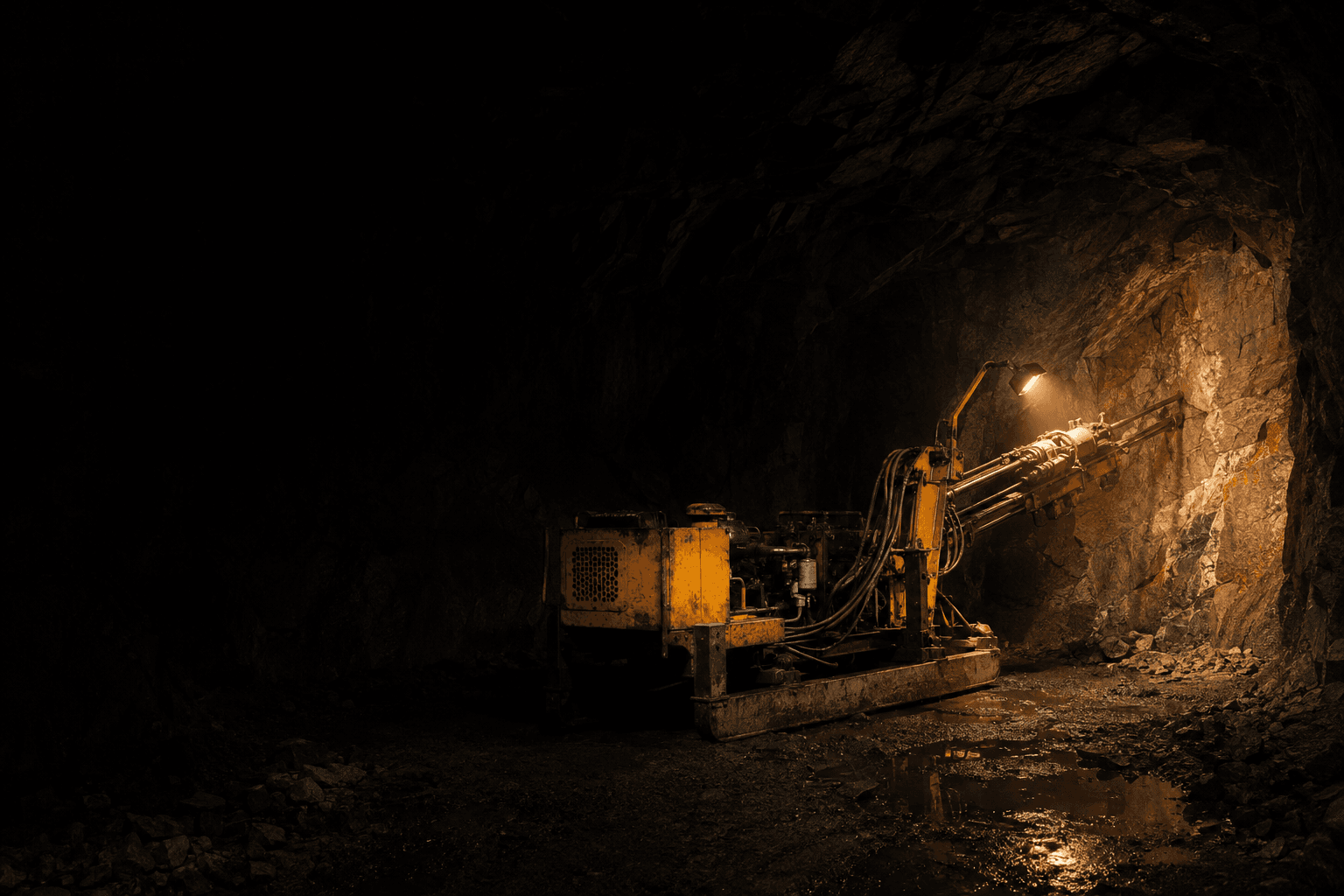
Tudor Gold (TSXV: TUD) outlined an underground mine at Treaty Creek in British Columbia in its Nov. 24, 2026 preliminary economic assessment release, putting Goldstorm's after-tax net present value at US$2.3 billion with gold at US$3,670 an ounce. Net present value gives less weight to cash earned further in the future, using a 5% discount rate in this study.
The assessment projects 4.68 million ounces of gold over roughly 28 years, alongside silver and copper. It estimates an after-tax internal rate of return of 20% at its base prices. That's the rate at which the present value of projected after-tax net cash flows equals zero. The base case puts all-in sustaining costs at US$1,358 per gold ounce. That figure reflects the cost of producing gold and sustaining operations after crediting proceeds from silver and copper. The upfront build cost is separate.
After the selloff we covered in Gold Slides as Traders Bet on a December Fed Hike, Kitco's spot bid was US$3,561.40 an ounce at 1:19 p.m. ET on Nov. 24. That's about 3% below Tudor's base price by our arithmetic.
Tudor's own spot case uses Nov. 23 prices, with gold at US$3,668 an ounce. It gives the same rounded after-tax value as the base case, while using a lower silver price and a higher copper price. With all three prices moving between the cases, that comparison doesn't tell us what the mine would be worth if only gold fell to Tuesday's level and stayed there.
Goldstorm Still Needs a Funding Plan
How much of the build would Tudor have to finance? Tudor owns 80% of Treaty Creek, and the study estimates US$1.54 billion in pre-production capital for the whole project. A simple pro rata split puts about US$1.23 billion on Tudor's side by our arithmetic, before any financing terms. The ownership percentage alone doesn't decide who writes the cheques. Tudor's release gives no committed construction financing. Debt would depend on what lenders can underwrite, while raising equity could leave existing shareholders with a smaller share of the mine's upside.
A preliminary economic assessment can model inferred resources, where drilling gives less confidence in the grade and continuity of the deposit. We want the technical report to tell us whether the schedule includes inferred material and, if it does, how much is in the early years, when the project is meant to earn back its build cost. Inferred material would need to be upgraded before it could support reserves.
Tudor President and CEO Joe Ovsenek said he expects the underground exploration permit in time to “begin to excavate the decline in 2027.” The decline is a sloping tunnel that would let Tudor drill Goldstorm from underground. The November drill results from Perfectstorm give Tudor a separate target for follow-up drilling. The assessment leaves Perfectstorm out. If follow-up drilling succeeds, Tudor plans to prepare a first mineral resource estimate for Perfectstorm's high-grade mineralization by the end of 2027.
For Tudor Gold stock holders, the next document is the technical report, which Tudor says it will file on SEDAR+ within 45 days of the release. By our count, that's Jan. 8, 2027.
Seek the truth and be prepared,
Equedia News
Sources
- Tudor Gold, Goldstorm preliminary economic assessment results
- TMX Money, Tudor Gold's TSX Venture listing
- Kitco Metals, Spot gold price
- Tudor Gold, Perfectstorm drill results
- Equedia News, Gold Slides as Traders Bet on a December Fed Hike
Disclaimer: This letter is for informational and educational purposes only and does not constitute investment advice. Past predictions and performance are not indicative of future results. We own gold and gold stocks. Please see our full terms of use and disclaimer at equedia.com.