Henry Hub Summer Average Runs 6% Below Last Year
EIA says new renewable generation and record gas production held down the benchmark. We look at the split for producers and power buyers.
 by Graham Ellery3 min read
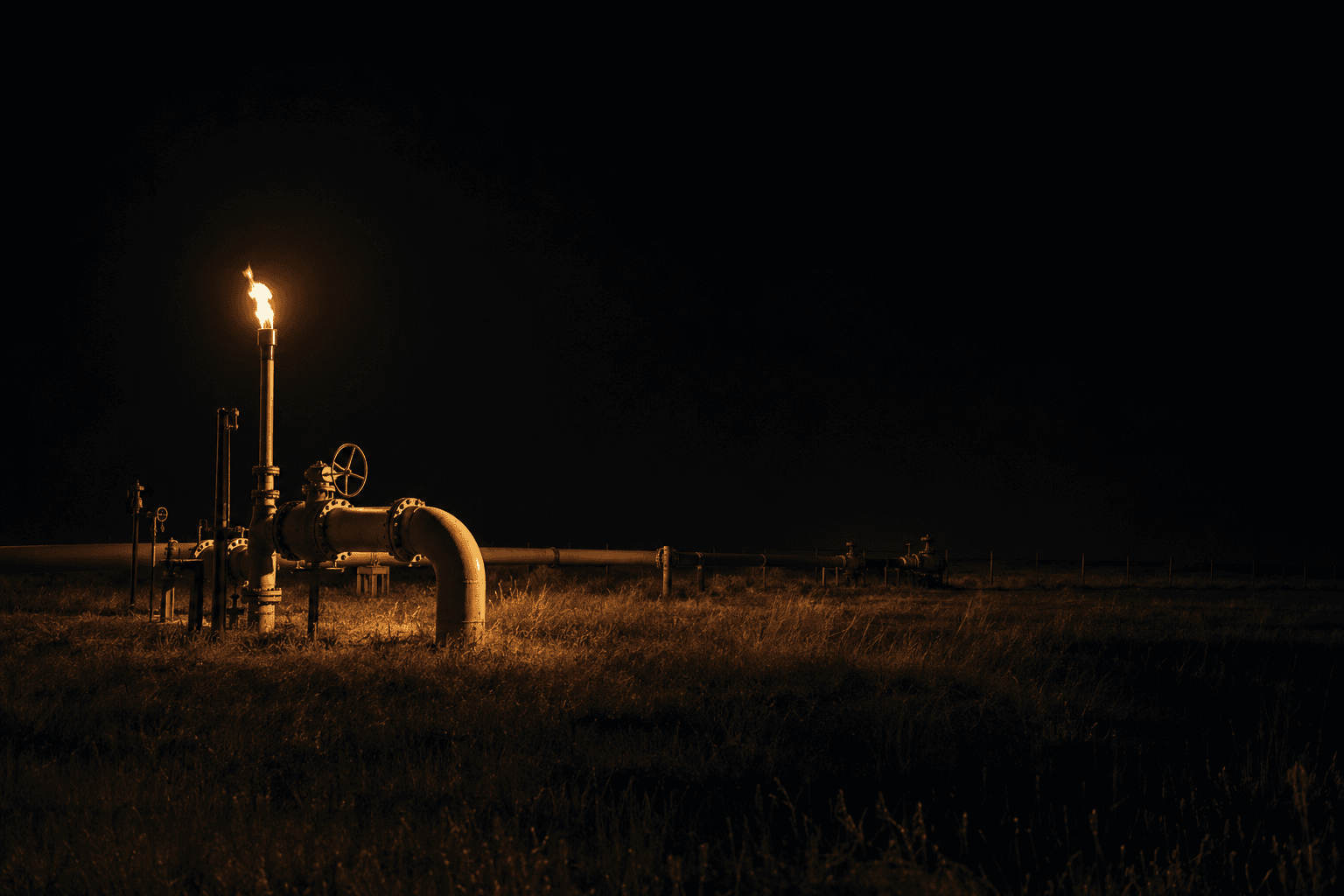
Henry Hub natural gas spot prices averaged $2.93 per million British thermal units from June through August 2026, 6% below the same months last year, according to the U.S. Energy Information Administration's September 25 Today in Energy report. The lower average came through a hot summer that lifted air-conditioning demand. EIA attributes the restraint to more renewable generation, record gas output, ample inventories and LNG terminal maintenance. For you, the lower Henry Hub benchmark is a risk to producer revenue and a potential benefit for power buyers with unhedged fuel purchases.
The heat was real: the National Centers for Environmental Information's August 9 report recorded July as the warmest month in the contiguous U.S. record. Yet the EIA estimates that solar generation from June through August rose 19.4 billion kilowatthours from a year earlier, while gas generation rose 7.5 billion, according to its September 25 analysis. Wind also added output, and EIA estimates the new renewable generation reduced the gas needed to meet higher electricity demand. We would stop using hot weather alone as a gas bull case when the grid can answer part of the extra load with sunlight and wind.
For producers, volume can grow while the selling price softens. We looked at the owners of U.S. oil and gas production in Who Owns America's Oil. EQT's July 21 second-quarter results recorded higher sales volume and a lower average realized price than a year earlier. That quarter included only June of the EIA's summer period, so it cannot establish what caused the full summer average. EQT (NYSE: EQT) also says a new gas supply deal links its price to PJM power prices. If you own the stock, its next realized price, output and hedges will tell you more about earnings than Henry Hub alone.
Power buyers see the other side of the same fuel market. NRG Energy's August 4 earnings release describes a business that owns gas generation and sells electricity. A lower gas price can help on unhedged fuel purchases, but NRG also reports supply costs and hedging effects in its earnings. We cannot turn the summer Henry Hub average into an NRG profit forecast. The EIA's September 9 electricity outlook expects higher electricity sales as data centers and manufacturing expand, while its residential electricity price forecast still rises this year. If you own NRG (NYSE: NRG), we would compare its reported fuel costs with the prices it earns for power.
The next contest is between expanding supply and recovering demand. In its September 9 natural gas outlook, EIA expects both production and LNG exports to increase next year. Its September 25 analysis says LNG maintenance moderated export demand growth this summer. Stronger export demand could lift gas prices and producer revenue, while continued production growth and renewable generation could restrain them. For generators, cheap fuel can persist, but contracts and hedges determine how much of that reaches earnings. We need the next forecasts before treating this summer's price as a winter price.
We will watch EIA's October 1 storage report and October 6 outlook for the next test of supply against demand.
Seek the truth and be prepared,
Equedia News
Sources
- U.S. Energy Information Administration, Henry Hub natural gas prices this summer were 6% lower than last summer
- NOAA National Centers for Environmental Information, Assessing the U.S. Temperature and Precipitation in July 2026
- EQT Corporation, EQT Reports Second Quarter 2026 Results
- NRG Energy, NRG Energy Reports Second Quarter 2026 Results and Reaffirms 2026 Financial Guidance
- U.S. Energy Information Administration, September 2026 Short-Term Energy Outlook: Electricity, Coal, and Renewables
- U.S. Energy Information Administration, September 2026 Short-Term Energy Outlook: Natural Gas
- U.S. Energy Information Administration, Weekly Natural Gas Storage Report
- The Equedia Letter, Who Owns America's Oil
Disclaimer: This letter is for informational and educational purposes only and does not constitute investment advice. Past predictions and performance are not indicative of future results. Please see our full terms of use and disclaimer at equedia.com.